

Would you like to travel to Costa Rica this autumn? We have places available on the 1 October departure of our Costa Rica trip. A route between volcanoes, national parks, the Caribbean and the Pacific, following Tuareg’s active style.
Nature, hiking and some of the most spectacular landscapes in the country.

Despite its small size, Costa Rica is one of the countries with the greatest biodiversity on the planet. If anything defines this country it is such a simple word and, there, as full of meaning as nature. Wherever you look, nature surrounds you, with its beaches and crystal clear waters; its tropical forests, waterfalls, thermal waters, active volcanoes, jungle, mangroves over the Caribbean, coral reefs…Add cuisine, traditions, culture and the hospitality of the ticos to this wealth of wildlife and biodiversity, and Costa Rica becomes the perfect experience for any adventurous traveller.
Ecotourism and active tourism
The country was the first to commit to ecotourism. The green revolution began in the 1970s, when global coffee prices collapsed because of oversupply and Costa Rica entered a deep economic crisis. To recover, the country sought a sustainable way to make a living from its natural resources.

The great advantage of Costa Rica is that it is a country that allows us to choose the type of tourism we want to do: or active tourism or take advantage of its surroundings to enjoy the wild beaches it offers us.
As in Tuareg we favour active travel, with a trip exploring volcanoes, rainforests and cloud forests, enormous thundering waterfalls and mighty rivers. Enjoy nature reserves, snorkel in Caribbean waters, spot the quetzal, meet the indigenous Bribri community of Yorkín and canoe along the Sixaola River. It is a journey full of activity as we discover Costa Rican nature, traditions and ways of life.
Turtles nesting in Tortuguero

The Tortuguero National Park lies on the northern Caribbean plains, and from June to October you can watch the egg-laying of the Giant green turtle and watch turtle hatchlings make their small but momentous journey from the beach to the sea.
Talamanca and the Bribrí Indigenous reserve

The Bribrí Indigenous reserve is one of the most populated in Costa Rica and is located in the province of Puntarenas, in the Talamanca Region. Its inhabitants still retain the Bribri language and are engaged in fishing, hunting and farming, although they also make baskets, musical instruments and other crafts.
Whale watching

Watching a humpback whale leap from the sea, as if dancing against the wind, is something everyone should experience at least once.
Cloud forest

One of Costa Rica’s distinctive features is its inland cloud forests. These forests grow around mountains where moisture from the clouds lingers as mist. Usually found at around 1,600 metres, they have cool conditions and constant fog, allowing moss and ferns to cover the ground. Orchids are common, and many plants hang from the trees’ bark and branches.
Volcanoes

Costa Rica has 5 active volcanoes. The best known is Arenal, in the La Fortuna district, which has continuously emitted gases and water vapour since 1968, with occasional explosions ejecting hot, solid material.
Flora and Fauna
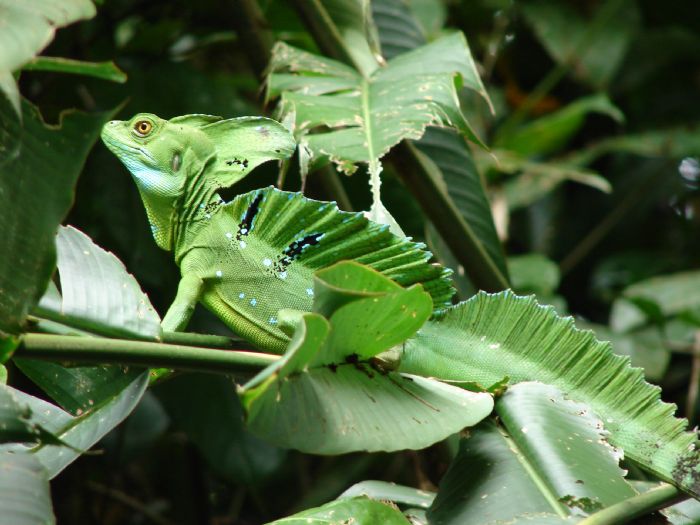
This Central American country is also known for its flora and fauna. Its 25 national parks are home to more than 1,000 plant species and more than 1,600 animal species, including sloths, coatis, armadillos, sea turtles, toucans, quetzals and hummingbirds.
Upcoming trips to Costa Rica
 Costa Rica
✔️ Departure 01 OCT 2026
✔️ Price from 3280€

✔️ Departure 23 DEC 2026
✔️ Price from 3440€
✔️ Daily departures until 15 DEC 2026
✔️ Price from 2680€ + flight
