
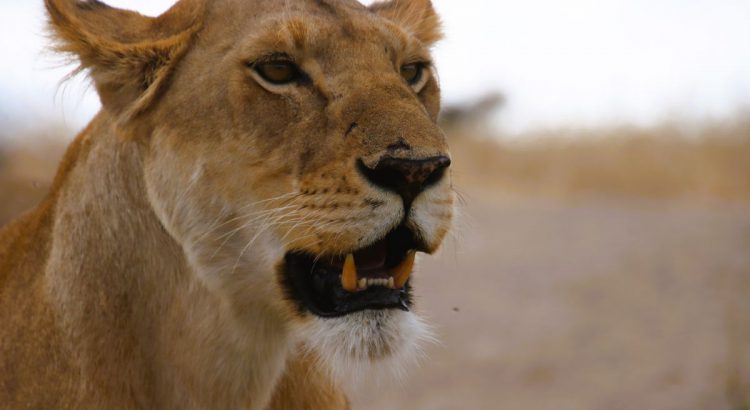
Can you imagine witnessing one of the biggest animal migrations on the planet?
Choosing the best time to travel to Tanzania is not easy. Tanzania hosts a unique natural spectacle: more than a million wildebeest and hundreds of thousands of zebras move in search of fresh pasture, closely followed by predators such as lions and hyenas. According to our specialists, following this migration is the key to choosing the Best time to travel to Tanzania.
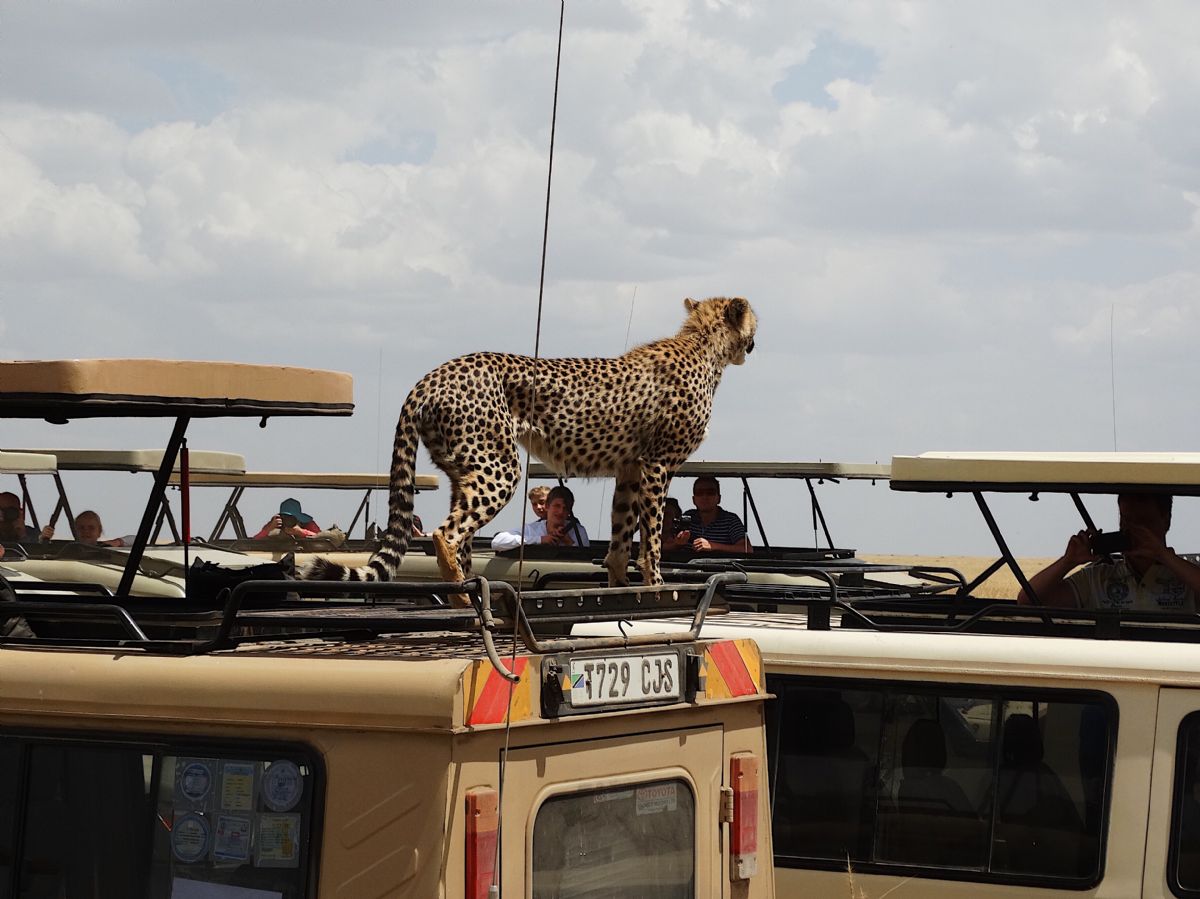
Animal migration in Tanzania follows a circular route, moving clockwise from the Serengeti in northern Tanzania to the Maasai Mara Reserve in southern Kenya, then returning to the Serengeti. The exact timing depends on the onset of the rains and other factors.
If wildlife watching is the main aim of a Tanzania trip, knowing where to find the great herbivore herds is essential when deciding what is the best time to travel to Tanzania.
Following the Great Migration
Tanzania’s great migration is one of the most spectacular events in the natural world. Approximately 750,000 zebras and a million wildebeest move in search of fresh grass following the rains. Behind them come the large carnivores, following this vast travelling food supply.

What is the best time to travel to Tanzania?

As our aim is to observe herds of herbivores and predators in an area where they gather in large numbers, rather than simply tour Tanzania, the best time to travel to Tanzania (if we want to see action) is between February and March, when the great herds of herbivores move between the southern Serengeti and the Ndutu plains. Wildebeest calves are born at this time, and action is guaranteed.
At this time of year, the explosion of life is spectacular. Seeing it with a specialist guide offers an experience far beyond the usual tourist visit.

Another spectacular moment for traveling to Tanzania is between August and September, when the Great Migration reaches its most dramatic phase. Thousands of wildebeest and zebras face the challenge of crossing the Mara River. Predators lie in wait as entire herds struggle to advance, creating extraordinary scenes of survival. It is undoubtedly one of the planet’s most impressive natural spectacles.
When to travel to Tanzania?
Travel between December and March
Wildebeest and zebras gather in scattered herds around Ndutu, in the southern Serengeti and northern Ngorongoro area of Tanzania. This is calving season for the wildebeest, and predators are plentiful because of the abundant potential prey.
Travel in April and May
The animals head towards the Serengeti’s central plains and western corridor as the southern plains dry out. Herds gather in columns up to 40 kilometres long, moving towards fresher pasture.
Travel in June and July
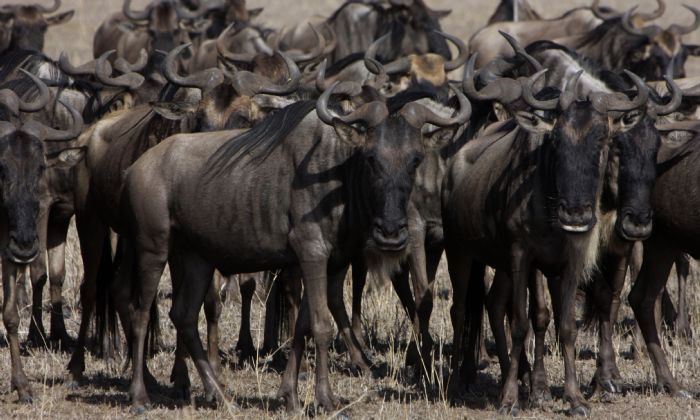
Between June and July, on reaching the Serengeti corridor, the migration splits in two: one group heads directly north into the Grumeti and Lobo areas, while the other moves towards the great western rivers — the Mara, Grumeti and their tributaries.
Travel between August and November
From late July to mid-August, wildebeest, zebras and gazelles leave Tanzania’s Serengeti, crossing the river into Kenya’s Masai Mara for green pasture and water. They remain there until October or November before returning to Tanzania.
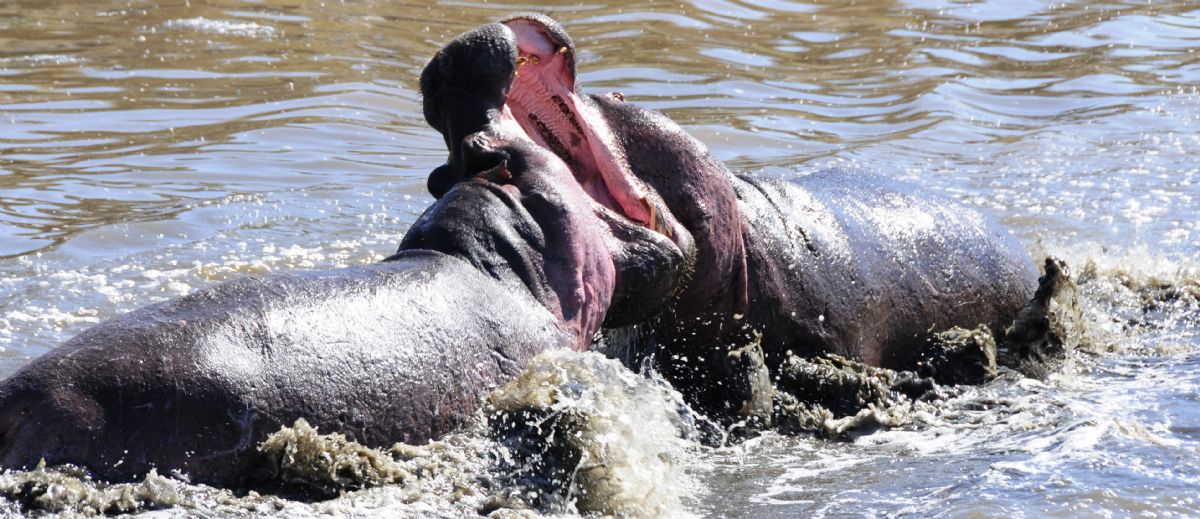
The best time to travel to Tanzania and see animals is between February and March, when the great herds of herbivores move between the southern Serengeti and the Ndutu plains.
Temperatures and precipitation
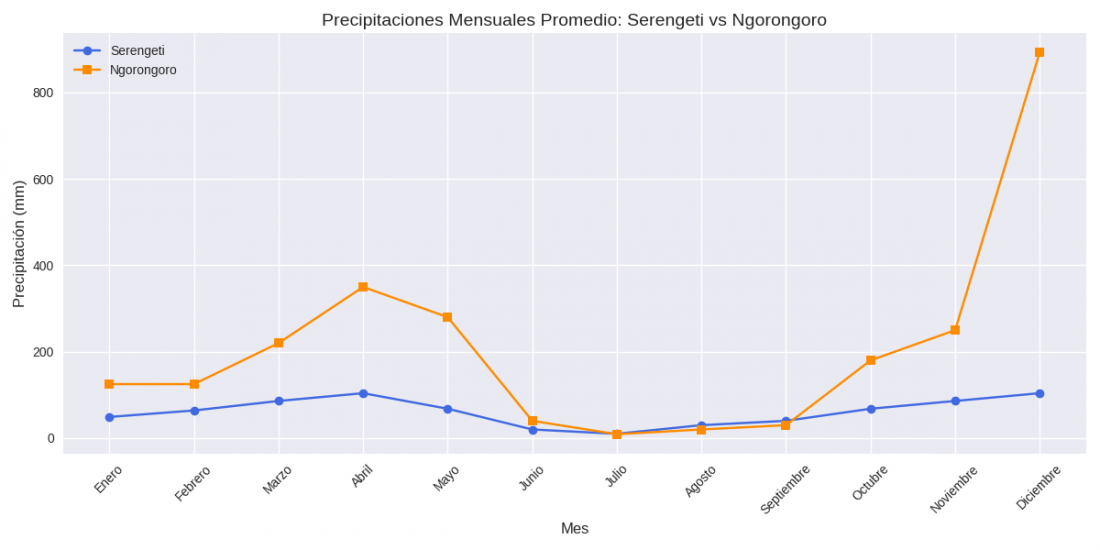
Heavy rainfall from March to May and in November–December feeds the pastures that drive the Great Migration. In the dry months, especially July and August, herds must move in search of water and food.
The rainfall curves reflect the natural force guiding millions of wildebeest and zebras across the African savannah.
| Month | Serengeti (min–max °C) |
Ngorongoro (min–max °C) |
|---|---|---|
| January | 15 – 27 | 8 – 21 |
| February | 15 – 27 | 8 – 21 |
| March | 15 – 28 | 9 – 21 |
| April | 15 – 27 | 9 – 20 |
| May | 14 – 26 | 7 – 18 |
| June | 13 – 26 | 6 – 17 |
| July | 13 – 25 | 6 – 17 |
| August | 13 – 25 | 7 – 18 |
| September | 14 – 26 | 8 – 19 |
| October | 15 – 27 | 9 – 20 |
| November | 15 – 27 | 9 – 20 |
| December | 15 – 27 | 8 – 21 |
The combination of moderate heat and mountainous freshness guides the movements of the Great Migration throughout the year.
Serengeti temperatures remain warm and stable, ideal for the grasslands that sustain the migration. Ngorongoro’s cooler, high-altitude climate offers a contrast and refuge for the animals.
Our trips to Tanzania
 Tanzania
✔️ Departures 17 FEB 2026
✔️ Price from 3765€

✔️ One departure only: 17 Feb 2026
✔️ Price from 2420€
✔️ Wednesday departures until NOV 2026
✔️ Price from 3045€
✔️ Departures from MAY to DEC 2025
✔️ Price from 2345€

✔️ Daily departures
✔️ Price from 2150€


FAQS
What is the best time of year to travel to Tanzania?
According to our specialists, if we want to see action, the best time of year to travel to Tanzania is between February and March, when great herds of herbivores move between the southern Serengeti and the Ndutu plains.
What is the Great Migration?
One of the most spectacular wildlife events. Approximately 750,000 zebras and more than a million wildebeest travel in search of fresh grass left by the rains. Behind them, the large carnivores follow this moving larder.
Where does the great migration take place?
The Great Migration follows a circular route. Animals move clockwise from Serengeti National Park in northern Tanzania to the Maasai Mara Reserve in southern Kenya, then back to the Serengeti. The precise timing depends on the rains and other factors.
What animals can we see on the trip?
Herbivores, including Thomson's gazelles and zebras, gather in herds for safety. Predators accompany them: although territorial rather than migratory, they move in search of food.
Where will we stay during the trip?
A combination of Tented camps and hotels. Comfort and contact with nature.
What transport is used?
We will use safari-adapted 4×4 vehicles with pop-up roofs. Every passenger will have a window seat.
Are all safaris the same?
There are many kinds of safari: in private concessions or national parks, travelling by truck or 4×4… Each has advantages, and understanding them helps align expectations with reality.
Why is our safari different from other safaris?
The aim is to observe herds of herbivores and predators in an area where wildlife is concentrated. We reduce driving distances to spend more time with the animals.
Is Tanzania a safe destination?
Tanzania took action immediately after the pandemic began. Although criticised as insufficient, the measures appear to have slowed COVID-19’s spread in the country. It is now following WHO recommendations, and daily life continues as normal.
Does Tanzania offer suitable itineraries?
A safari is, by definition, a small-format journey: large vehicles with very limited capacity, camps where few travellers are accommodated simultaneously and spaces are generous. Our tours in the country combine safari with activities to get closer to local culture and to get to know the landscape environment, activities that are outdoors, and with little contact with other travelers.
Video of our trip to Tanzania