
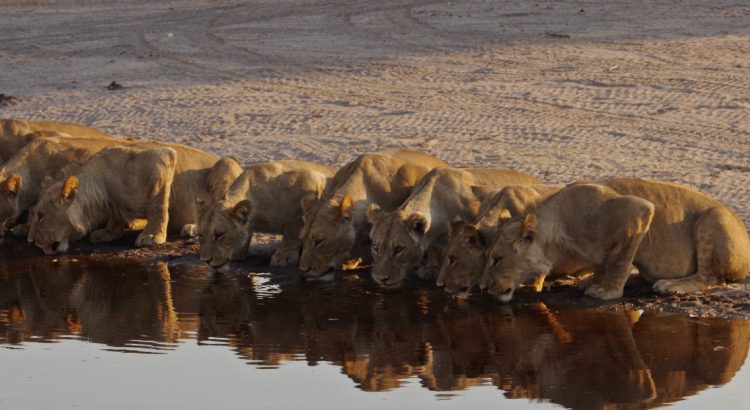
We will focus on the best places in Southern Africa to observe these majestic cats, with special attention to the routes that allow us to live this experience responsibly and with minimal environmental impact.
The best safaris in Southern Africa to see the king of the savannah.
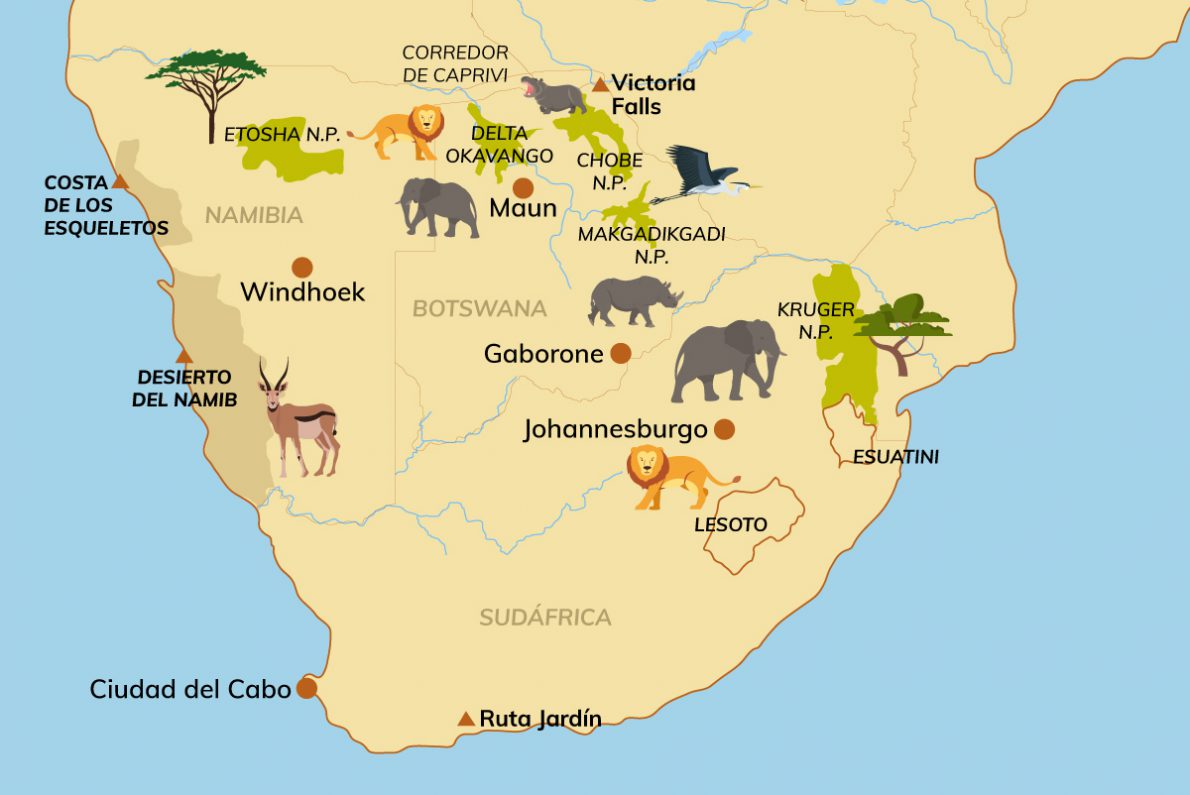
The kingdom of the African lion
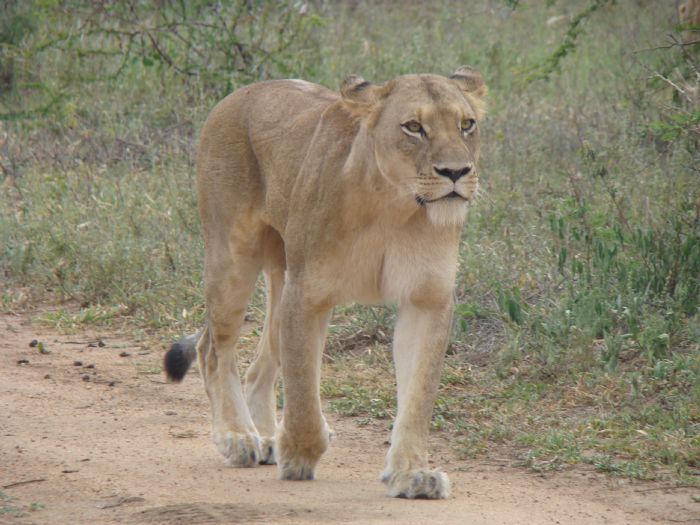
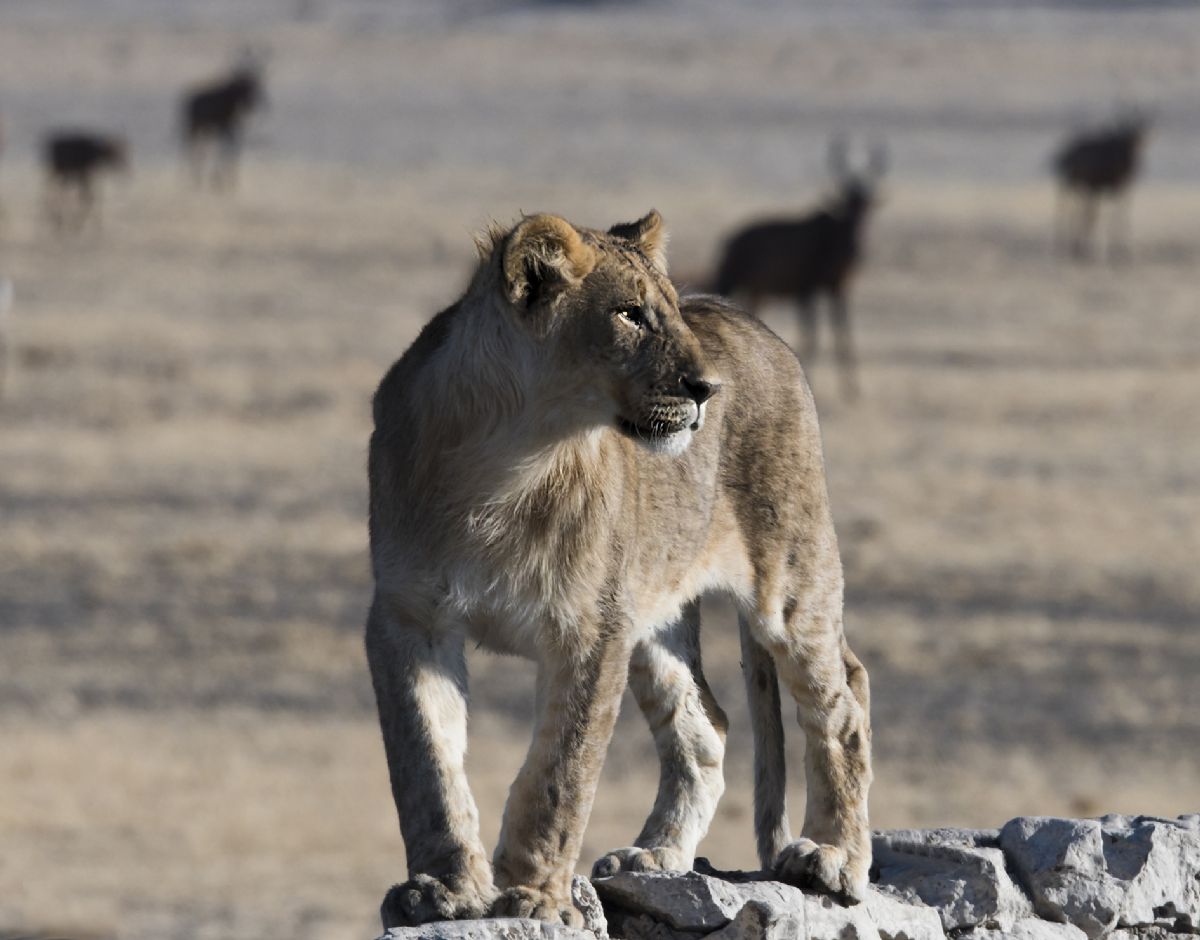
Africa is home to the world's last wild lion populations, mainly in two major regions:
- East Africa (Kenya, Tanzania): Here, prides follow the great herbivore migrations across open ecosystems such as the Serengeti and Maasai Mara.
- Southern Africa (South Africa, Botswana, Namibia and Zimbabwe): In this area, lions live both in vast national parks and in private reserves, offering some of the most spectacular sightings on the continent.
Lion sanctuaries in Southern Africa
Southern Africa is one of the world’s best places to see wild lions, offering unforgettable encounters in their natural habitat. We have designed experiences combining exciting safaris with a responsible approach, allowing you to see lions and learn about their behaviour, ecology and conservation.

1. Kruger National Park, South Africa
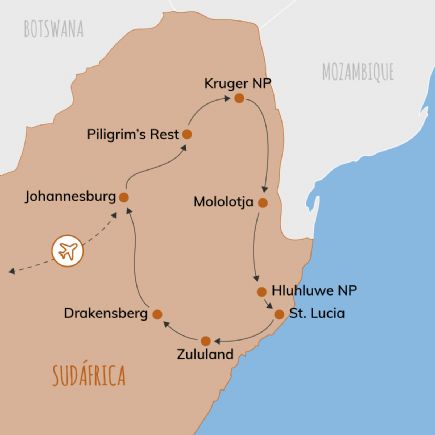
The iconic Kruger National Park covers 20,000 km² and is home to one of Africa’s most stable and accessible lion populations. Here, prides have developed distinctive behaviours adapted to the park’s different areas:
- Makuwa Private Reserve: Part of Tuareg’s “Hiking and Safari” route, it offers night safaris where lions can be seen hunting. Expert guides know the territories of at least 3 different prides.
- Southern Kruger area: With a higher density of prey, lions are more active here during the day. The route includes two full days on safari, staying in tented camps.
2. Okavango Delta, Botswana
Declared a World Heritage Site, the delta offers a unique setting where lions have developed special skills:
- Hunting on flooded ground: Some prides have learned to swim and hunt in water, behaviour rarely seen elsewhere.
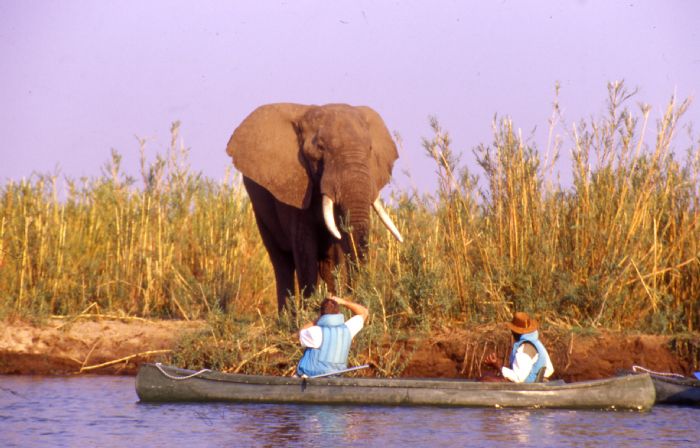
- Active experience: The "Okavango Route" includes navigation in mokoro (traditional canoes) and safaris on foot with local guides explaining the unique relationship between lions and this aquatic ecosystem.

3. Chobe National Park (Botswana/Zimbabwe)
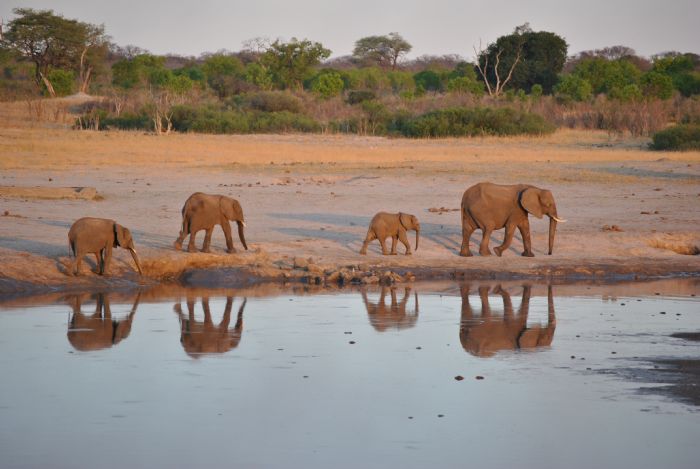
Famous for its large elephant population, Chobe also has lion prides that specialise in hunting young elephants:
- Boat safaris: The route "Through the heart of Africa" includes a sunset cruise along the Chobe River, where lions can be seen drinking on the shore.
- Savute area: Known for its elephant-hunting lions, this area is explored for 3 days on the Tuareg expedition, with accommodation in mobile camps.
4. Zululand Reserves (South Africa)
Less well known but equally fascinating, these reserves offer:
- Walking safaris: The 14-day route includes guided walks to learn how to track lions and understand their behaviour without vehicles intruding.
- Active conservation: Projects such as Hluhluwe-iMfolozi have been crucial in saving the white lion from extinction.

5- Etosha National Park
Etosha, whose name means “Great White Place”, is famous for its salt pan and strategic waterholes, where wildlife gathers and lions use distinctive hunting tactics:
- Waterhole stalking: Lions patrol these vital water sources, taking advantage of thirsty prey gathering there — zebras, oryx and springbok. Patience is key: they can wait silently for hours to ambush their target.
- Cooperative hunting: In Etosha, prides work together to surround their prey. These lions are most active at dawn and dusk, avoiding the hottest hours.
Tips for Lion Sightings
To see a lion in its natural habitat is not a mere sighting, it is to witness the pulsating heart of wild Africa.
- Dry season (May–October): Vegetation is less dense, and lions gather around water sources.
- Best times of day: Early morning and sunset are when lions are most active.
- Recommended equipment: 8×42 binoculars, a camera with a zoom lens (at least 300 mm) and clothing in neutral colours.
- Silence and patience: Sometimes you must wait hours to see a solitary lion, but the reward is worth it.
Southern Africa remains one of the best places to see wild lions. Designed by experts with decades of experience, our routes offer sightings and a deeper understanding of these magnificent cats’ ecology and conservation.
Our trips in Southern Africa
 Botswana
✔️ Departures JUN to OCT 2025
✔️ Price from 4450€
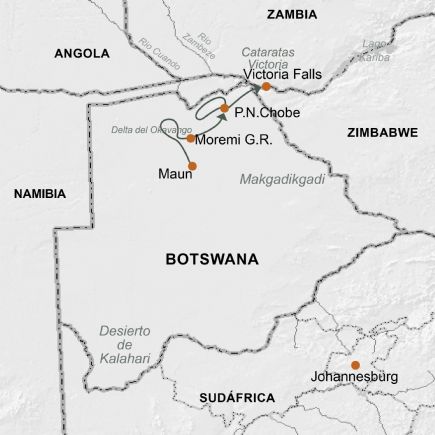
✔️ Departures Jan to Dec 2025
✔️ Price from 2225€
✔️ Departures MAR to NOV 2025
✔️ Price from 3650€
✔️ Departures JUN TO DEC 2025
✔️ Price from 3095€
✔️ Departures on Saturdays 2025
✔️ Price from 2980€