
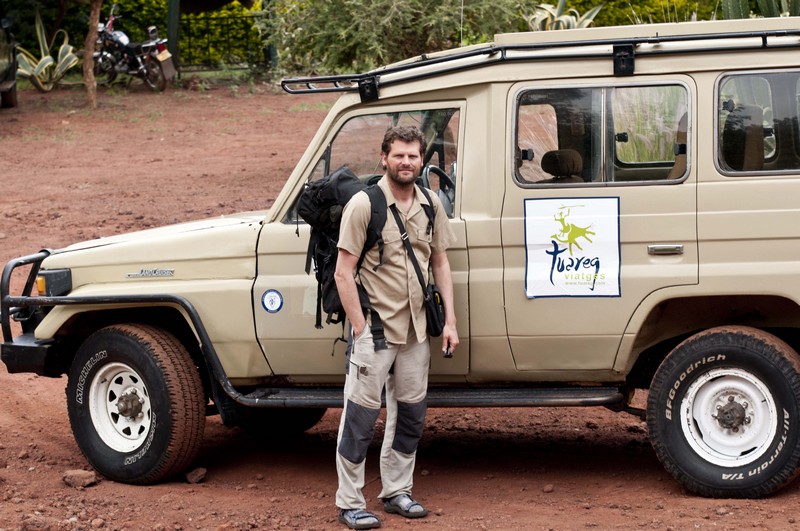
Last February a group of travelers left for the plains of Ndutu, in Tanzania, to encounter the great herds that pause for a few weeks during their annual migration to give birth. This is known as the February calving season, and our guide Marc Magrans shares his impressions on his return
Well known though it is, the migration of African herbivores never fails to amaze travellers lucky enough to witness this extraordinary spectacle at this time of year.
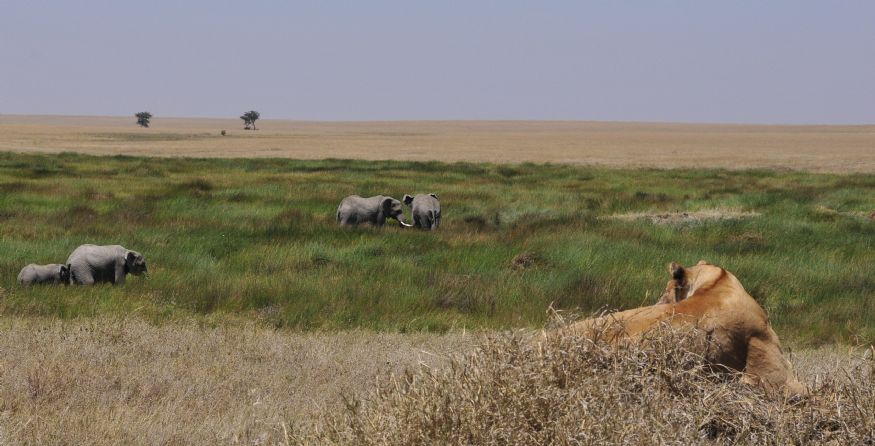
More than one and a half million wildebeest, 250 thousand zebras and several thousand other animals move between Kenya and Tanzania, travelling in February through the Ngorongoro Conservation Area and Lake Ndutu’s plains before entering Serengeti National Park.
For days, the savannah fills with seemingly endless lines of animals moving in single file after the rains, leaving dry pasture for greener areas where food is plentiful. 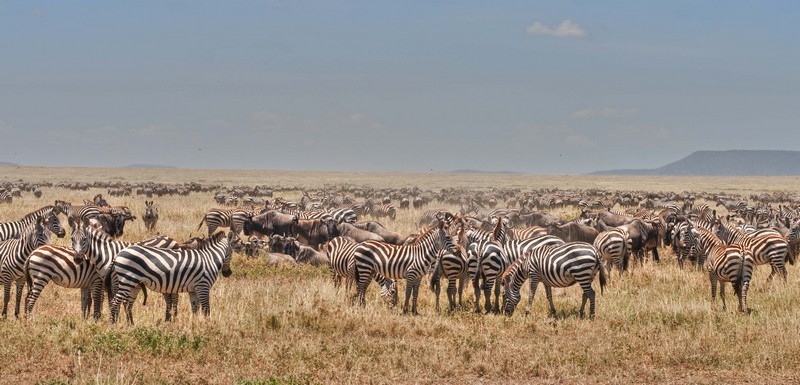
This is when these animals give birth before continuing their annual migration. Then the action begins: Africa’s carnivores and scavengers gather around the herds, seeking food for their young. It is the African cycle of life, a contest of survival on a magnificent scale. The savannah is covered with herbivores, young and adult, while predators await their chance. Every hunt leaves an unforgettable memory.
See more information about Travel to Tanzania