
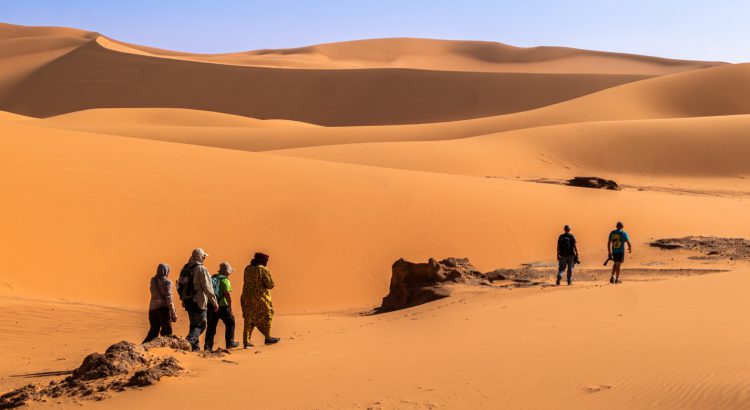
When we think of travel to the desert We usually picture dunes, oases, nights under the stars and long walks through landscapes unlike those at home. But there is an important question to consider before choosing dates: in summer, the heat can be extreme.
And we don't know this just from the thermometers. We've lived it.
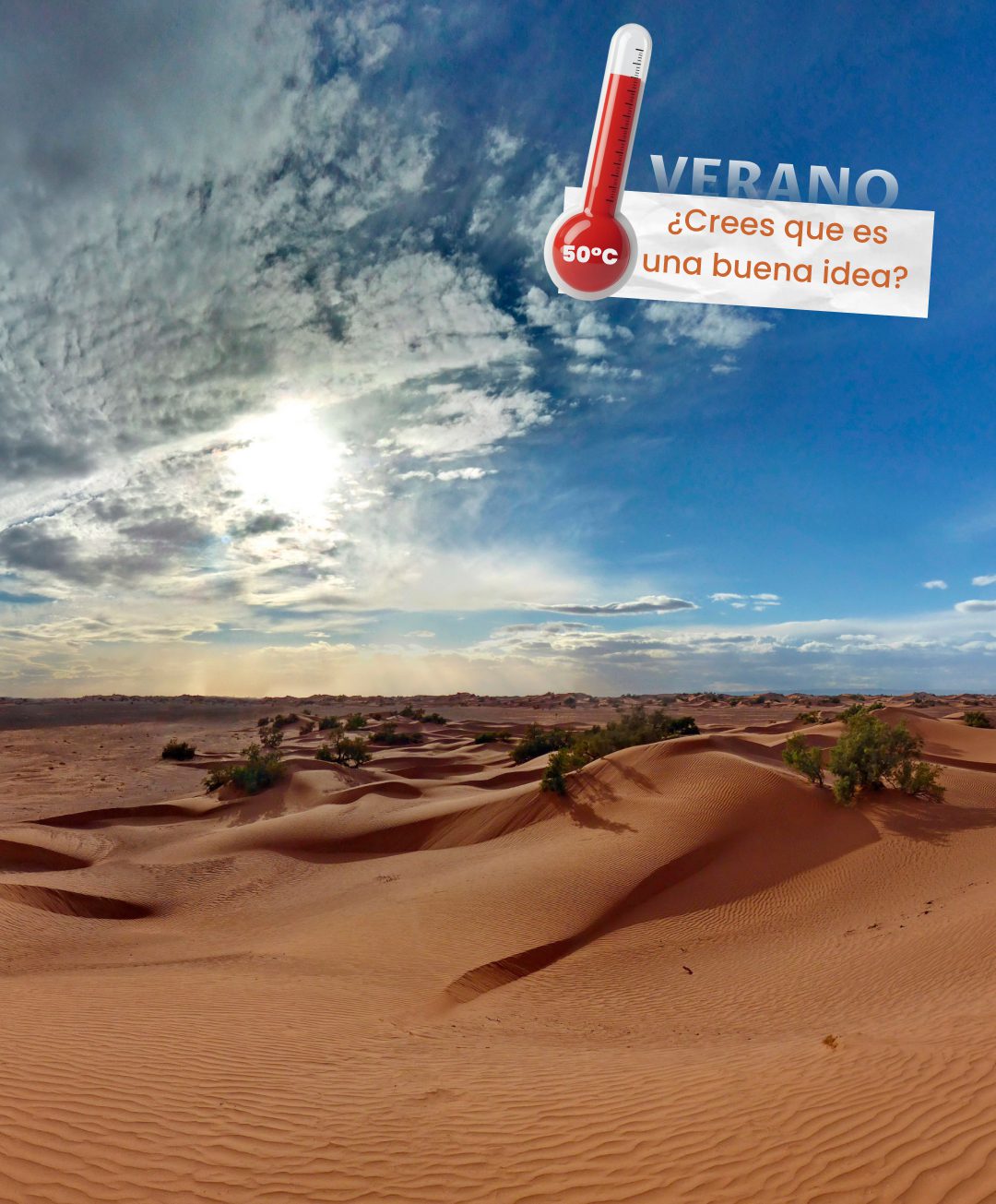
When we still travelled to Libya in September
Years ago, when we were still organizing trips to Libya, during Gaddafi's time. One of those routes crossed the desert from Ghadames to Ghat and then continued through the Hoggar. We made our arrival in Ghat, in southern Libya, near the border with Algeria, coincide with a Tuareg festival held in the area.
The festival included a camel race. Women waited at the finish line as Tuareg riders appeared in the distance on galloping camels, racing to reach them first. Fast and Furious, Tuareg style.
Everyone gathered around the finish. They were all standing in the sun, in temperatures of around 50°C. For the Tuaregs, that did not seem especially extraordinary. It was September and, for them, summer was coming to an end. They were used to those conditions and no one seemed to attach too much importance to the heat.
It was another story for us.
On a mid-September departure, daytime temperatures reached 55°C.

A situation we don't forget
During one of those journeys, a traveller suffered heat stroke. We were in the middle of the desert, south of Libya, and there was nowhere to look for shade. There were no trees, no buildings, no shelter. Just the vehicle and the terrain around.
The first option was to put them inside the car, but it had stood in the sun for hours and was even hotter inside.
The Tuaregs who accompanied us then found a solution that can be difficult to imagine: they dug a hole beneath the vehicle and placed him there to shelter him from direct sunlight.
And it was not just for the shade. After hours in the sun, surface sand can reach 60°C or more, making it practically impossible to walk on barefoot.

Digging a few centimetres achieved two things: shielding it from the sun and moving it below the surface sand, which held the most heat. Just beneath the surface, the ground was much cooler. That scene stayed with us. For the Tuareg, waiting for the camels was just another September day, while we discovered how much 50°C in the Sahara can change things.
We no longer travel to Libya, but that experience was one reason our desert departures now begin in October.
In summer, life in the desert adapts to the heat
In the hottest months, avoid walks and unnecessary activity in the midday sun. Activities take place early in the morning and as temperatures fall in the afternoon.
Those who live in these regions know how to live with high temperatures.

Travellers, however, arrive in the Sahara with another aim: to make the most of the day exploring, walking, visiting towns, reaching oases and crossing dunes.
What happens if we travel to the desert in summer?
Temperatures can easily exceed 40°C in many areas and rise much higher depending on the location and conditions. This can require a complete change to the schedule: shorter walks, visits early in the morning or late afternoon, and shelter during the hottest hours.
And then there's a simple question: why go to the desert if for much of the day we can't enjoy it?
And at night?
It is true that the desert can have great differences in temperature between day and night. But during the summer the nights can also be very hot.

If sleeping in a traditional tent, dining by the fire or simply contemplating the stars is part of the trip’s appeal, pleasant temperatures make a great difference.
In autumn, winter and spring nights usually offer better conditions.
When is it best to travel to the desert?
There is no single date valid for all deserts. Temperatures vary greatly depending on the region and there are also differences between Moroccan, Algerian, Mauritanian and southernmost areas.
But in general, October starts to be a good time to travel to the desert.
In autumn, winter and spring, temperatures are better suited to walking and the activities on our desert trips.
Our trips to the Sahara Desert

 Mauritania
✔️ Departures 2, 30 OCT | 14 Nov | 4, 27 Dec 2026
✔️ Price from 2030€


✔️ Departures 2 OCT | 4, 26 Dec 2026 | 29 Jan | 9 Apr 2027
✔️ Price from 1690€

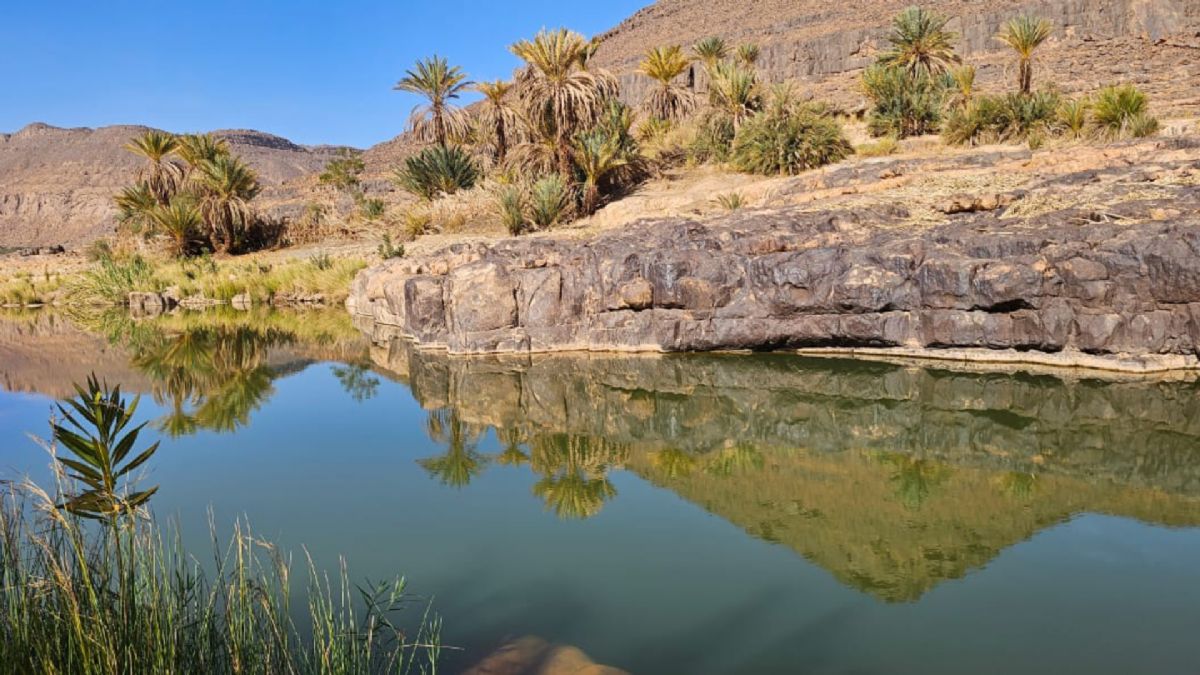
✔️ Departures 1 NOV 2026 | 6 Mar 2027
✔️ Price from 1990€

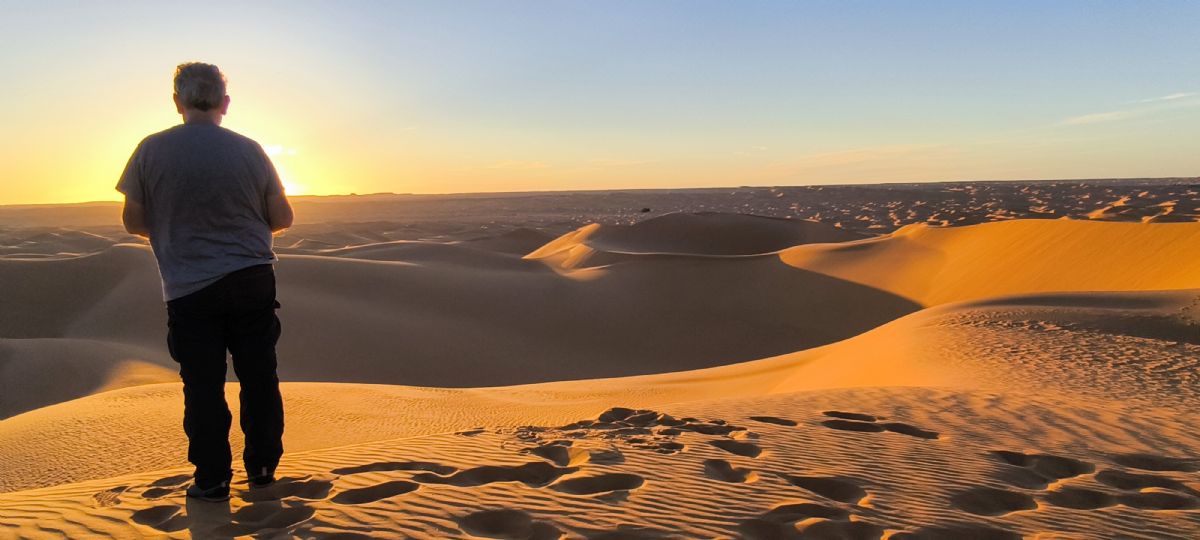
✔️ Departures 13 NOV | 26 Dec 2026 | 26 Mar 2027
✔️ Price from 1890€
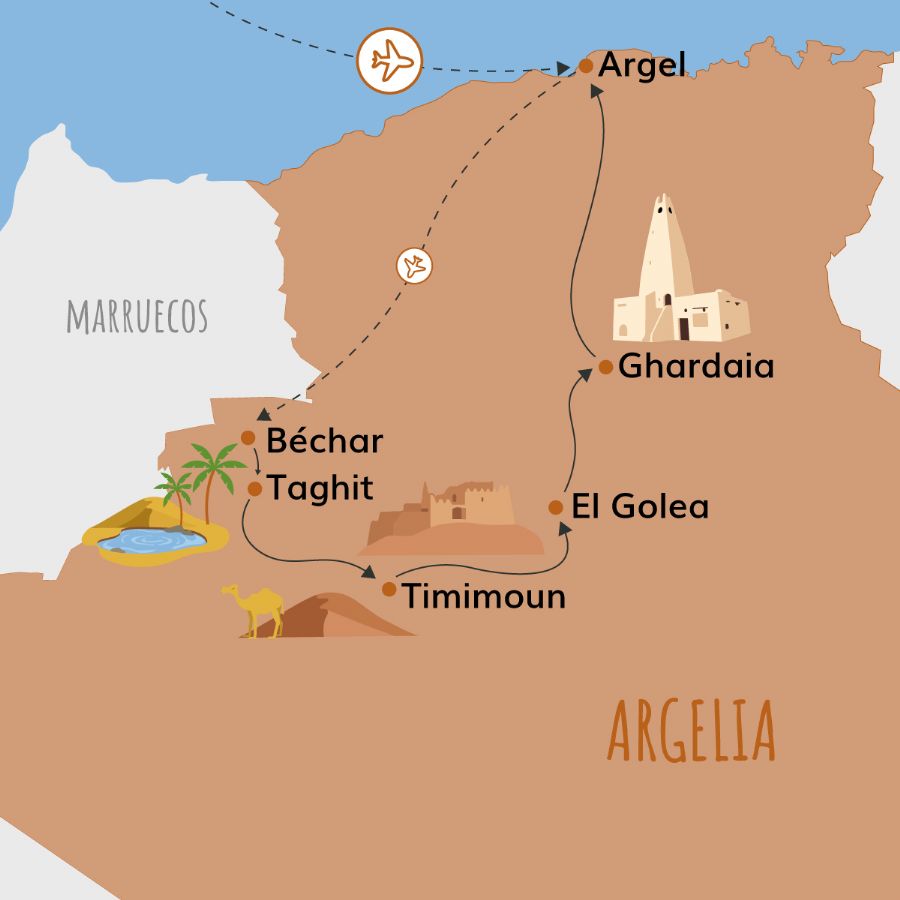

✔️ Departures OCT to MAR
✔️ Price from 2140€


✔️ Departures 26 OCT | 23 Nov | 19 Dec 2025 | 1, 22 Feb 2026
✔️ Price from 4560€

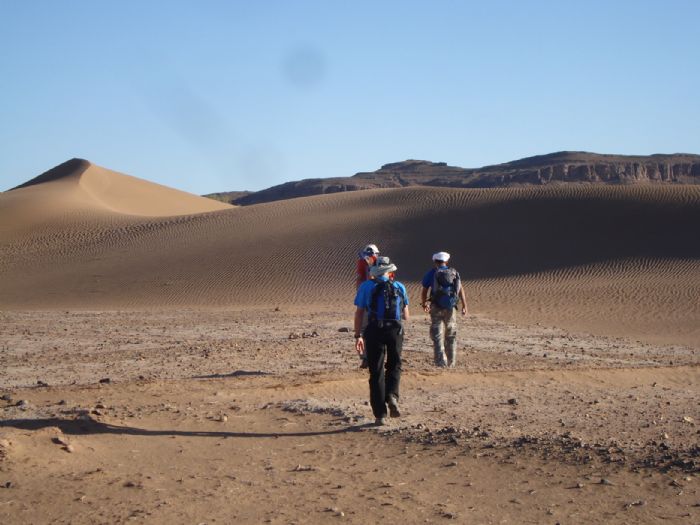
✔️ Departures from October to April
✔️ Price to be confirmed

A trip to the desert should not consist solely of enduring the heat. It should allow us to walk, to know the landscapes, to talk to the people who live there, to reach an oasis, to set up the camp and end the day by looking at the stars.
Discover our trips to the desert
Dunes, oases, mountains and vast open spaces. At Tuareg, we have spent years exploring some of the world’s most fascinating deserts, designing routes for those seeking nature, adventure and contact with other cultures.