

When someone whispers the word Samarkand, the word brings to mind bygone times or the tales of the Arabian Nights told at bedtime. It is a magical place where East and West meet, which reached its greatest splendour when Tamerlane, heir to Genghis Khan, made it his imperial capital.
Samarkand has been like a phoenix, always rising again from its own ashes.

Samarkand: the centre of the Silk Road
This city's existence is explained by the so-called Silk Road, the Central Asian crossroads where caravans arrived and departed laden with goods for people waiting at either end of the road.
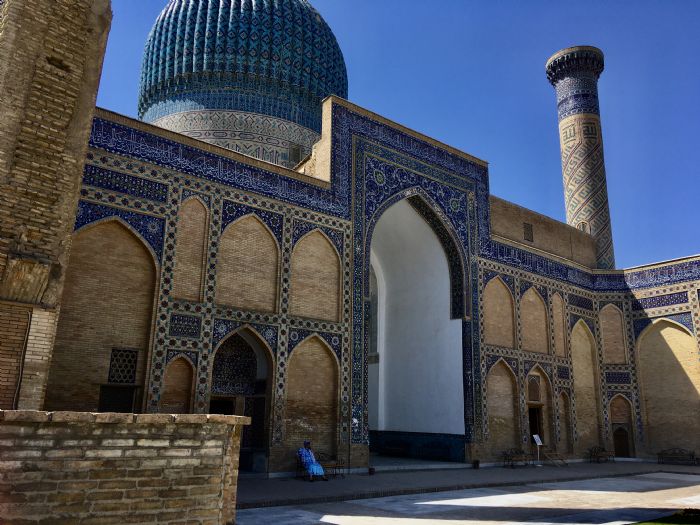
The city reached its greatest splendour between 1372 and 1402, when Tamerlane combined the best of East and West to build the finest of all cities. He brought the best craftspeople, architects, glassmakers, marble workers and goldsmiths from Syria, Delhi and Anatolia to make it the centre of the world. He ordered majestic buildings such as the Bibi-Khanym Mosque and the imposing central square, call the Registan Square, dominated by three madrasas which remain intact today, built under Arab rule, or Gur-e-Amir mausoleum, where Tamerlane and his dynasty, including his grandson Ulugh Beg, are buried. Ulugh Beg enriched Samarkand's cultural and scientific life by building the observatory, attracting scientists to the city.
The city also gained importance by acquiring the secret of papermaking. It established the Islamic world’s first paper mill and exported to the rest of Europe through the Silk Road.

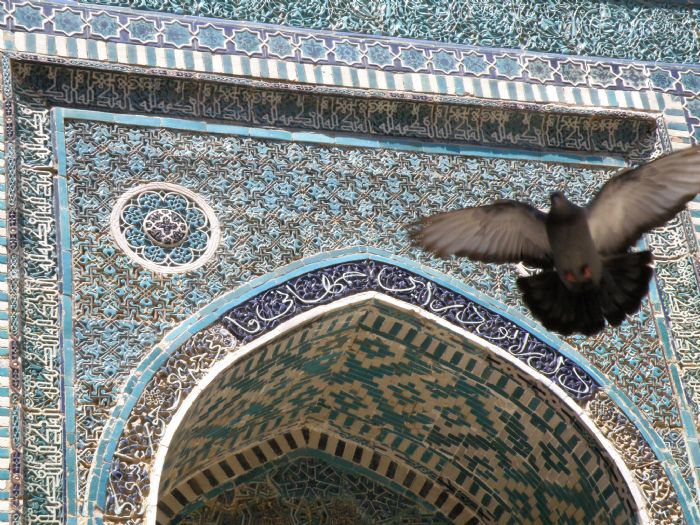
Samarkand is also known for its impressive blue domes, among Central Asia’s most recognisable symbols. The intense turquoise of its mosques and mausoleums was chosen deliberately: it represented the sky and paradise in Islamic tradition.
Samarkand was described by many travellers and conquerors throughout history.
Alexander the Great, who conquered it in the fourth century BC, was so impressed by its wealth that he declared it even more beautiful than he had imagined. Centuries later, Samarkand remained an essential stop for merchants, ambassadors and adventurers on the Silk Road.
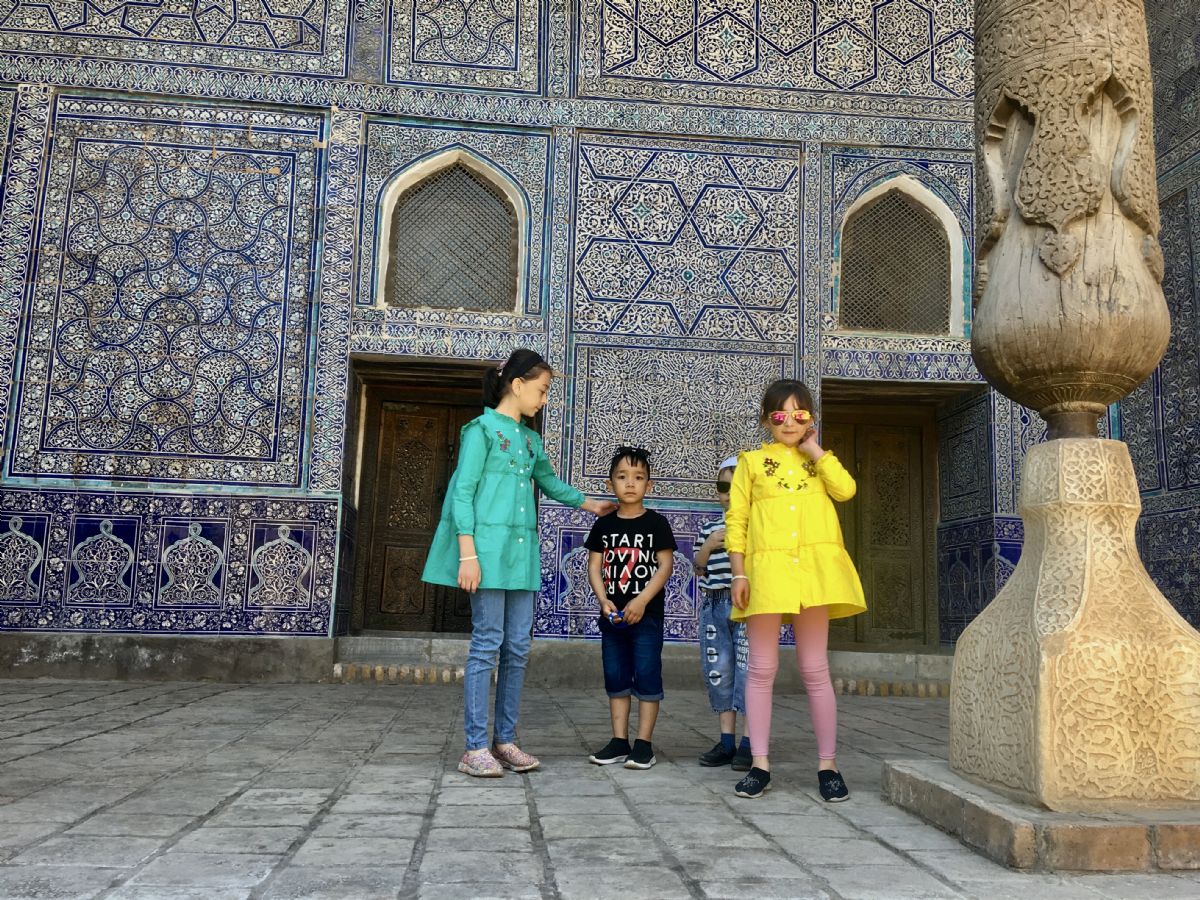
The city also stood out for its cultural diversity. For centuries people of Persian, Turkish, Arab, Mongolian and Chinese origin lived in it, making it one of the most cosmopolitan places in the medieval world. Thanks to this mixture of cultures, Samarkand became an important centre for the exchange not only of goods, but also of ideas, religions, scientific knowledge and artistic expressions.
In 2001, UNESCO included the historic centre of Samarkand on the World Heritage List, recognising it as an exceptional crossroads of cultures and one of the most fascinating cities along the Silk Road.
What is the ideal journey along the Silk Road?
Here are four essential Silk Road destinations.
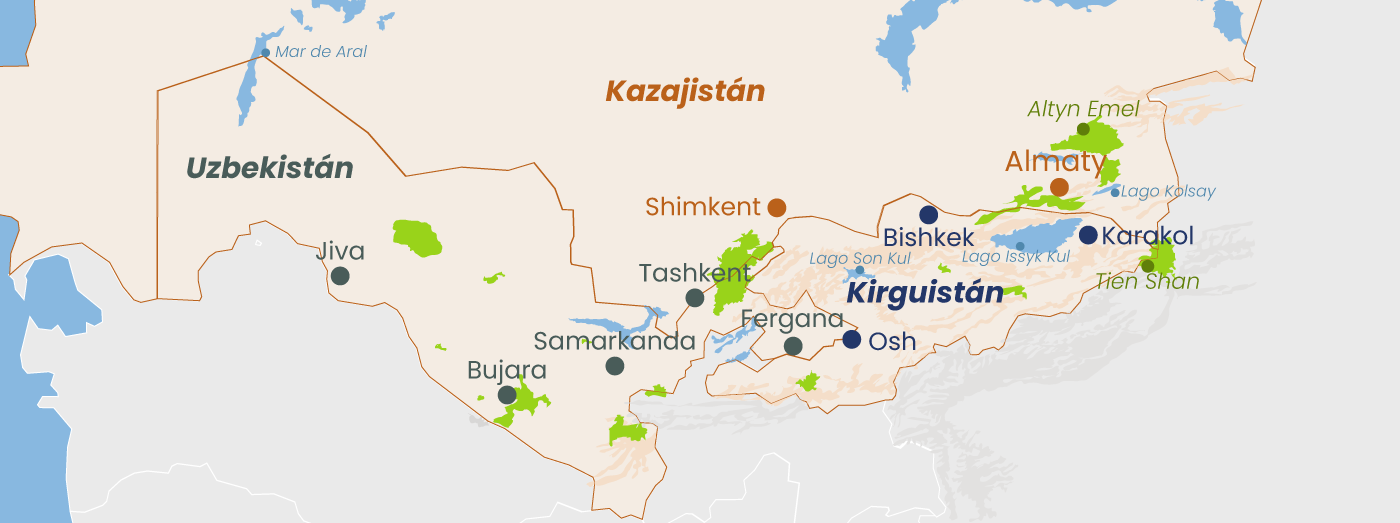
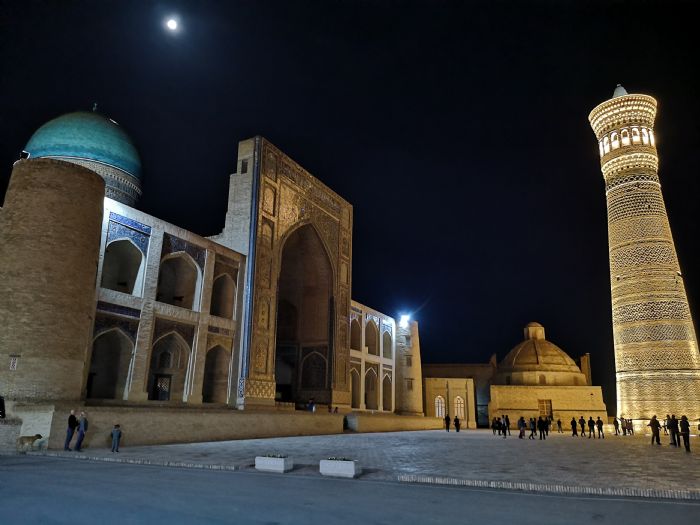
1. Uzbekistan
 Uzbekistan
✔️ Departures 20 JUL | 3, 17 Aug 2026
✔️ Price from 2200€

2. Kyrgyzstan
✔️ Departures 12, 26 JUL 16, 30 AUG 2026
✔️ Price from 3400€

3. Kazakhstan

✔️ Departures 7, 28 JUL | 11 Aug | 1 Sep 2026
✔️ Price from 2900€

4. Azerbaijan
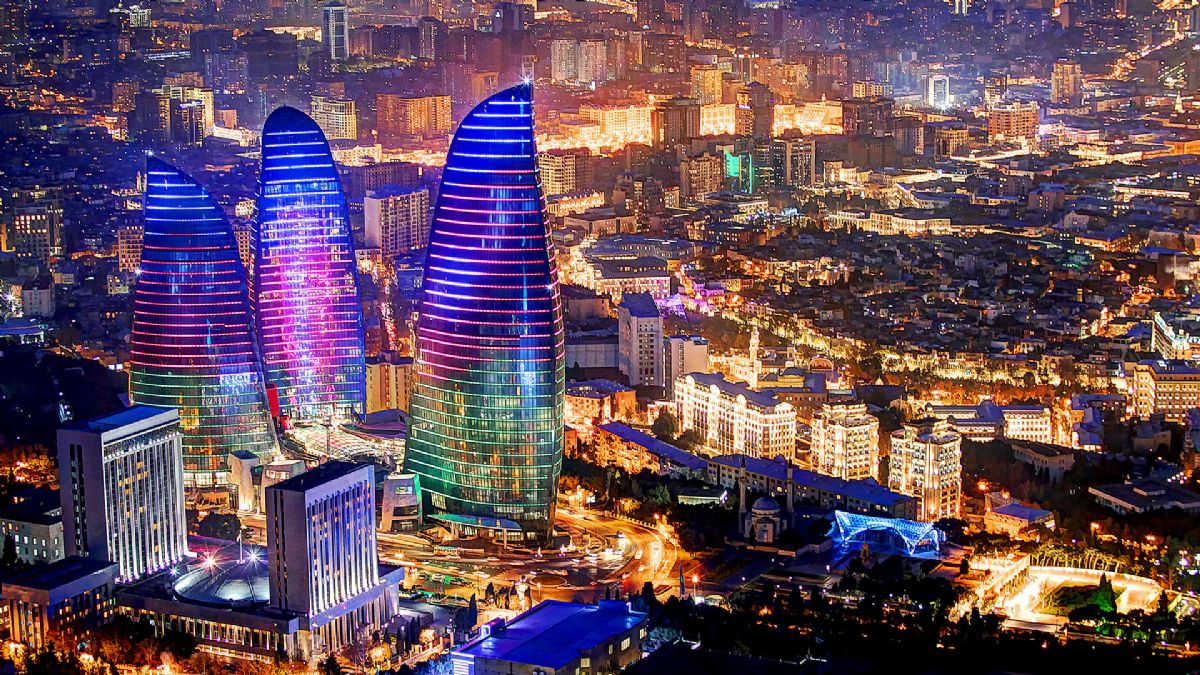
✔️ Departures 27 JUL | 10 Aug 2026
✔️ Price from 1300€
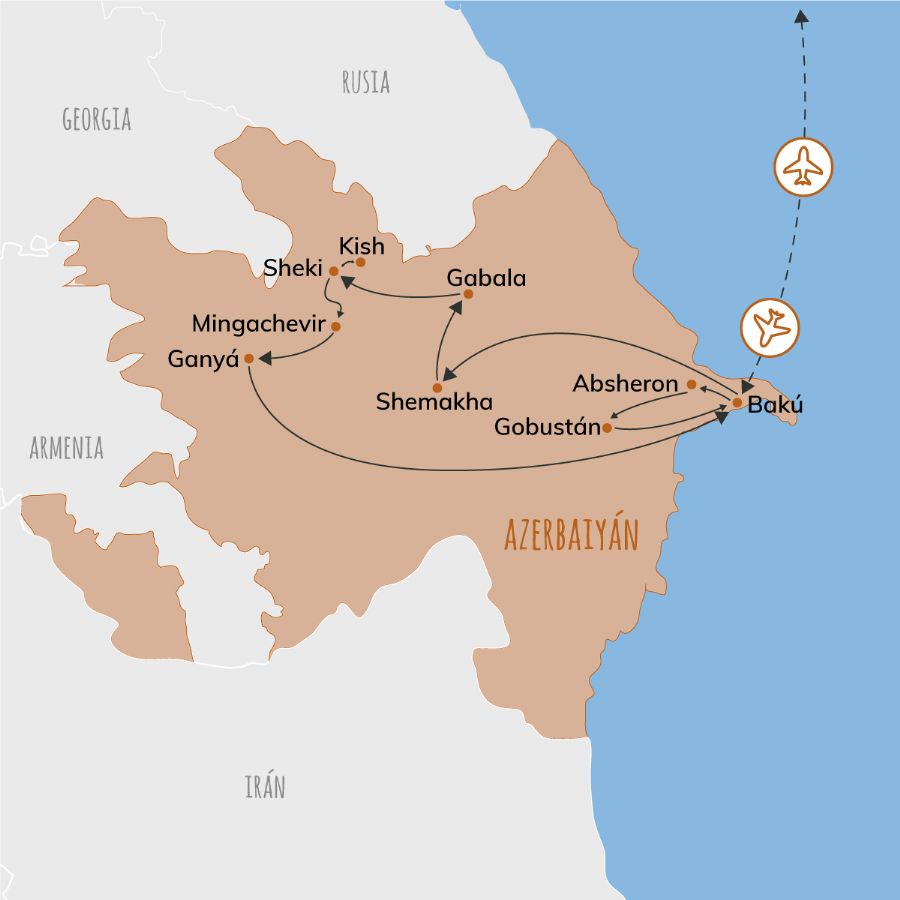
If you are looking for a destination combining history, monumental architecture, landscapes and a very different culture, we have several itineraries ready.
Want to know more about the Silk Road? Click the button to read our article: Central Asia – Kyrgyzstan, Uzbekistan and Kazakhstan
Shall we talk? If you have doubts about the best time to travel or which of these itineraries best suits your travel profile, please contact us.