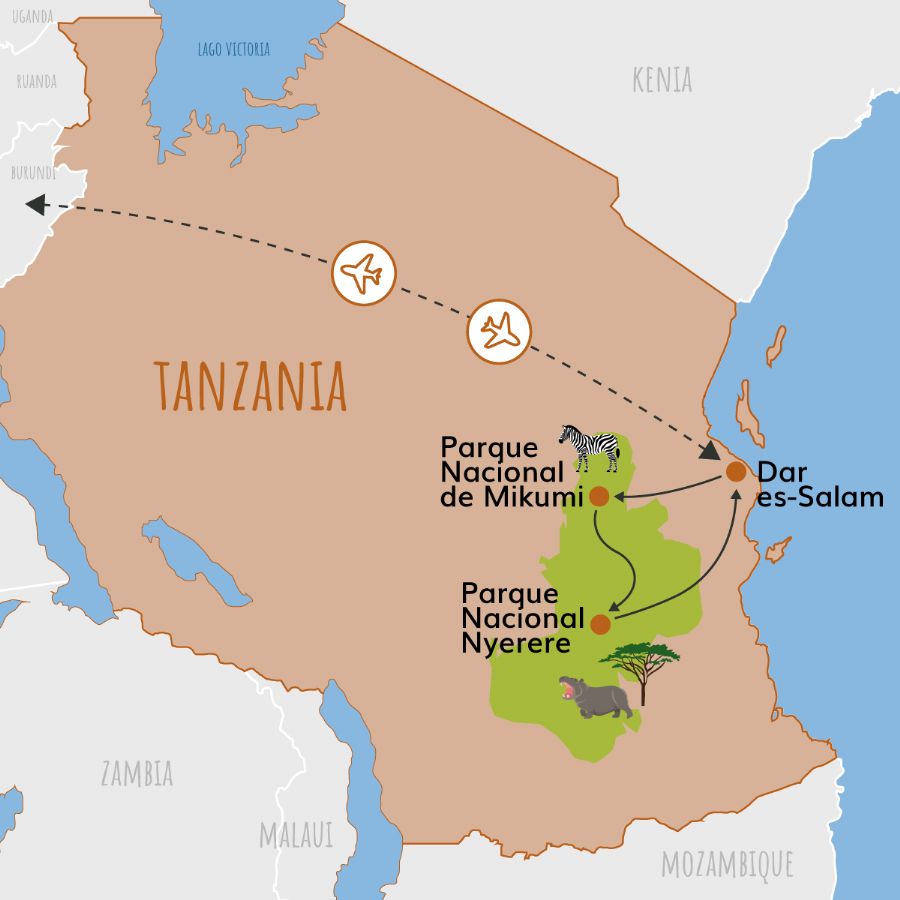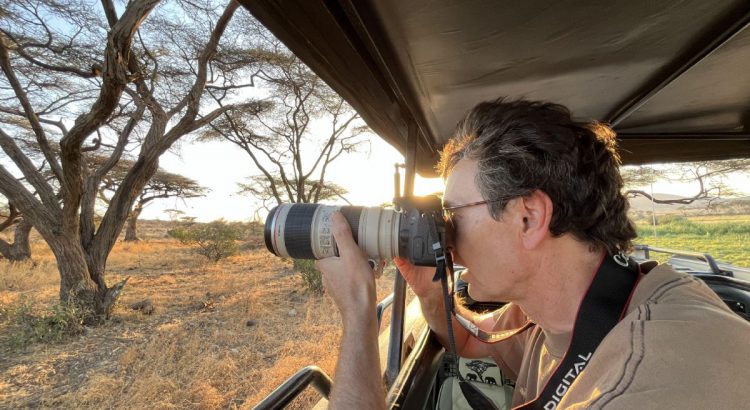
When we think of Tanzania, we think of the Serengeti plains and the Ngorongoro Crater. They are iconic for a reason: they offer a unique safari experience. But what if we told you that Tanzania has much more to offer?
In the south, nature feels wilder and more secluded

Northern Tanzania versus Southern Tanzania Which destination should you choose for a safari?
In this article we analyze the main differences between northern and southern Tanzania. We compare landscapes, wildlife, visitor numbers, costs and the best seasons. If you are planning a photography safari in Tanzania, we can help you find the right option.
The Great Difference: Exclusivity vs. Icons
North (Serengeti, Ngorongoro)

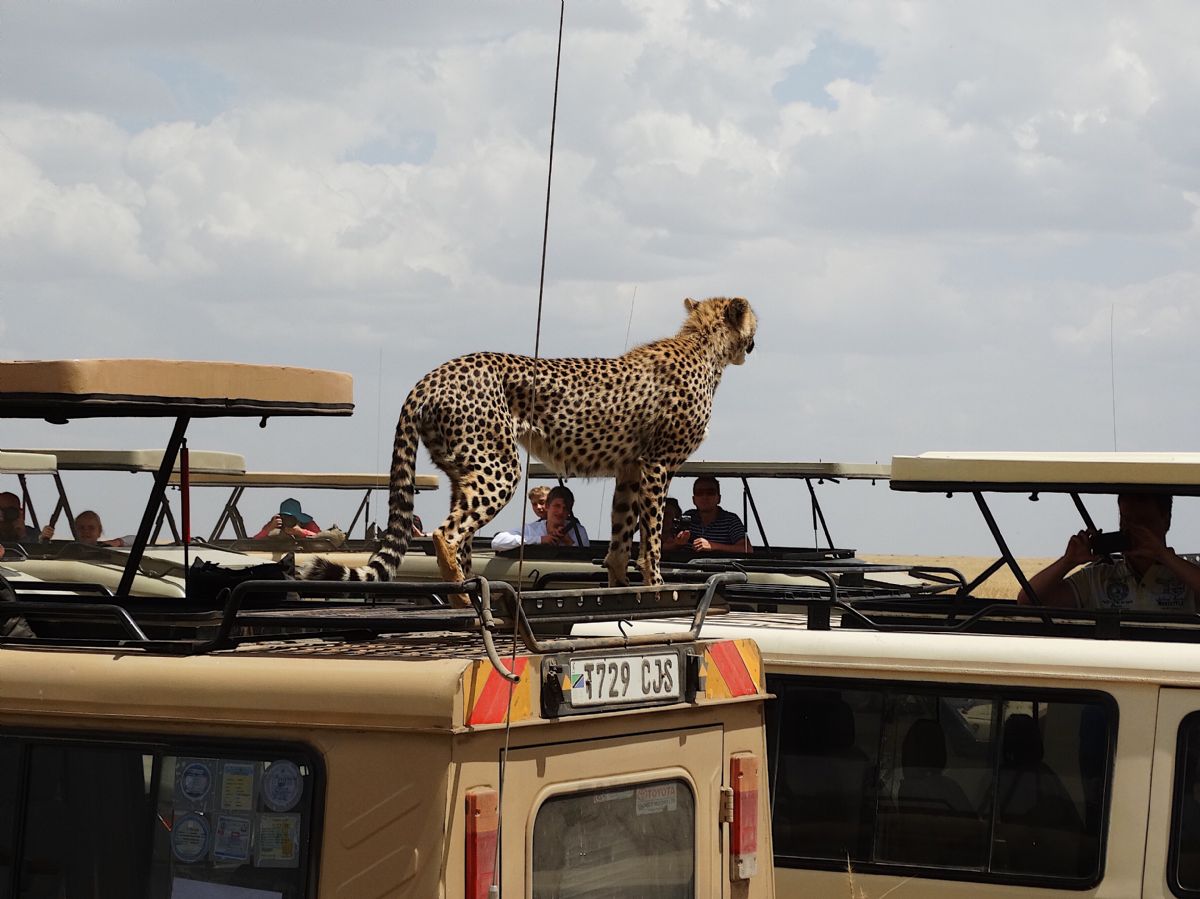
This is the quintessential safari experience, with abundant wildlife and landscapes familiar from documentaries. Fame has its price, however: in high season, you may share a leopard sighting with dozens of other 4×4 vehicles. Infrastructure is excellent, with luxury lodges and roads connecting parks relatively easily.
South (Nyerere, Ruaha, Mikumi)
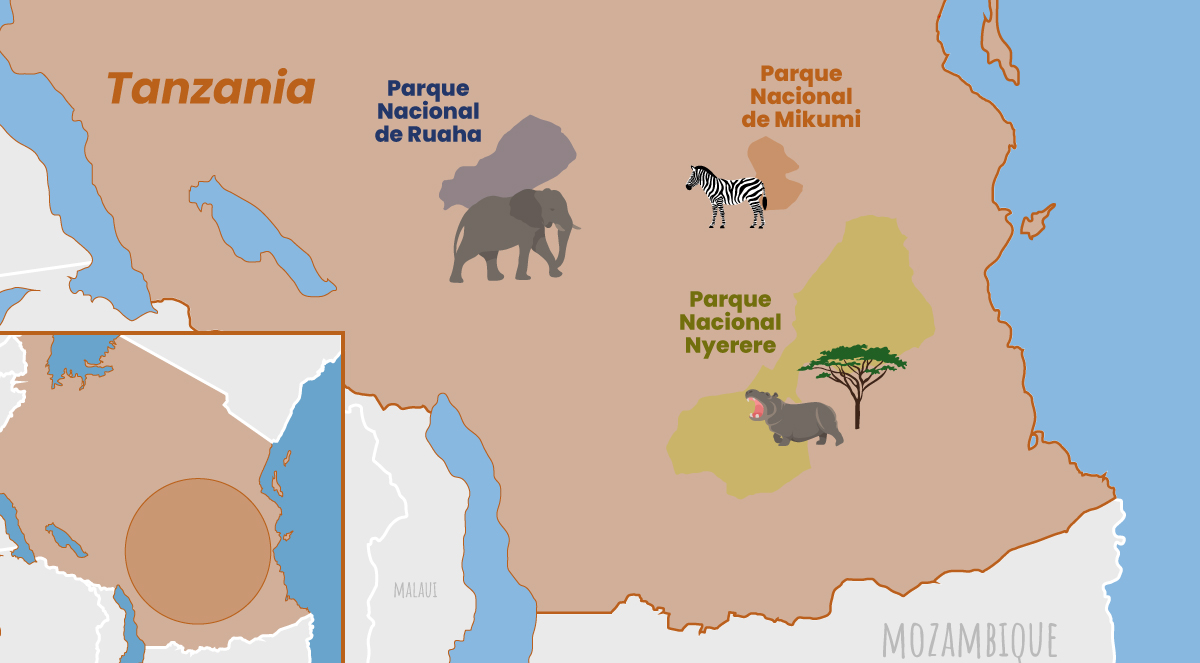
Here the key word is solitude. These are enormous parks — Ruaha is Tanzania's largest, and Nyerere is among Africa's largest — without crowds. Forget queuing to see an animal. In the south, it is you, the savannah and the chance of encountering a lion in complete silence. Infrastructure is simpler and more functional, but the authenticity is incomparable.
Northern Tanzania versus Southern Tanzania: the same protagonists, a different setting
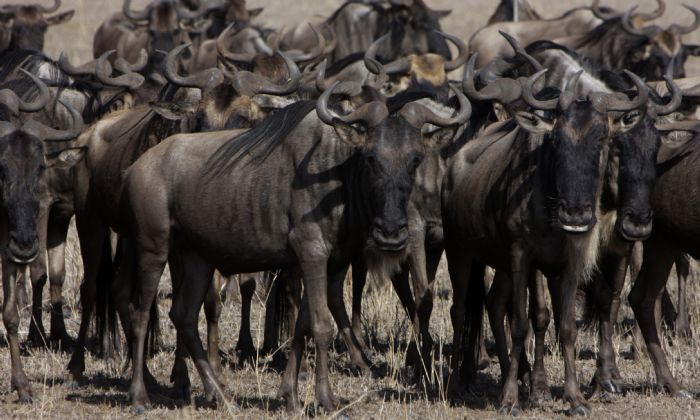
In the north, the big advantage is concentration of animals. It is easier to see the Big Five in a short time, especially if you want to witness the Great Migration of wildebeest and zebras.
In the South, wildlife is wilder and more scattered, but offers unique surprises:
- Elephants: Ruaha is home to one of East Africa’s largest elephant concentrations—about 20,000 animals!
- African wild dogs: This is the great treasure of the south. Seeing one of the rarest and most fascinating carnivores in Africa is much more likely here than in the north.
- Aquatic fauna: On the Rufiji River in Nyerere National Park, boat safaris bring you face to face with hundreds of hippos and Nile crocodiles, a perspective unavailable in the north.
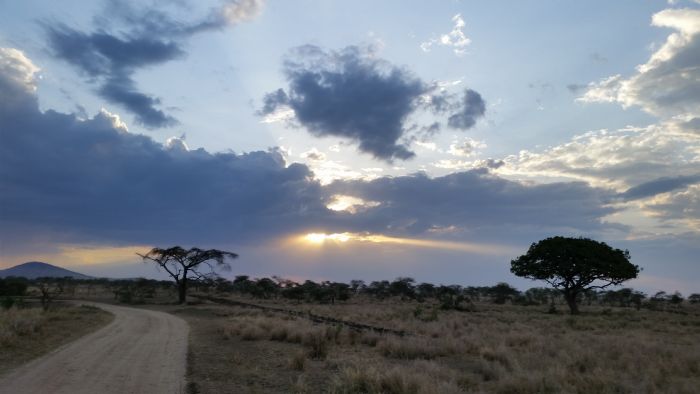
The experience: 4×4 safari versus the full safari experience
North: Daytime 4×4 safaris across open savannah. Some areas offer dawn hot-air balloon flights: a magical, occasional experience.
South: The great asset is the range of activities. Our trips combine the classic 4×4 safaris, walking safaris guided by rangers, and safari by boat along the Rufiji River, one of the most authentic and exciting experiences in Africa.
Which suits you? Your traveller profile
| NORTH (The Classic) | SOUTH (The authentic option) | |
|---|---|---|
| Perfect for... | Travellers on their first safari who want to see as much wildlife as possible, with iconic landscapes and good accommodation. | Experienced travellers or those seeking something different: peace, vast spaces, close contact with nature and unique experiences by boat or on foot. |
| Visitor numbers | High in peak season. Wildlife sightings are shared. | Very low. A sense of exploring alone. |
| Safari type | Mainly by 4×4 across open savannah. | By 4×4, on foot and by boat. More varied ecosystems: rivers, forests and savannahs. |
| Signature wildlife | All of the Big Five and the Great Migration (Serengeti). | Elephants, African wild dogs and unique encounters with aquatic wildlife. |
| Infrastructure | Extensive network of luxury lodges and roads. Straightforward logistics. | Simple and functional lodges and camps, focused on immersion. Distances are greater. |
Climate in Tanzania: North vs. South
The north has two rainy seasons, while the south has one longer season. June to October is the best period common to both.
The north is cooler because of its altitude, with cold nights. The south is warmer and tropical, with milder nights. From December to February, the north has its short dry season while the south is rainy, making the north a better choice for European winter travel. During the dry season, wildlife gathers around rivers and waterholes. Ruaha can be cool at night, but remains warmer than the north. Rain transforms the landscape into lush green. Choose the north from December to February, and either region from June to October.
| 🌧️ NORTH | SOUTH | 🌡️ NORTH | SOUTH | |
|---|---|---|---|---|
| Jan | 💧💧 | 🌧️🌧️🌧️ | 24°C | 28°C |
| Feb | 💧💧 | 🌧️🌧️🌧️ | 24°C | 28°C |
| Mar | 🌧️🌧️🌧️ | 🌧️🌧️🌧️ | 23°C | 27°C |
| Apr | 🌧️🌧️🌧️🌧️ | 🌧️🌧️🌧️🌧️ | 22°C | 26°C |
| May | 🌧️🌧️🌧️ | 🌧️🌧️🌧️ | 21°C | 25°C |
| Jun | ☀️☀️ | ☀️☀️ | 19°C | 24°C |
| Jul | ☀️☀️ | ☀️☀️ | 18°C | 23°C |
| Aug | ☀️☀️ | ☀️☀️ | 19°C | 24°C |
| Sep | ☀️☀️ | ☀️☀️ | 20°C | 25°C |
| Oct | 💧💧 | 🌧️🌧️ | 22°C | 27°C |
| Nov | 💧💧💧 | 🌧️🌧️🌧️ | 23°C | 28°C |
| Dec | 💧💧 | 🌧️🌧️🌧️ | 23°C | 28°C |
☀️ dry / 💧 light rains/ 🌧️ Heavy rains
Overview: northern vs southern Tanzania
Choose the North if it is your first safari in Africa, your dream is to see the Great Migration and you don't mind sharing the experience with other travelers in exchange for simpler logistics and more accessible wildlife.
Choose the South if you seek a wilder experience, value exclusivity and silence, and like the idea of walking or boat safaris that keep you close to nature for a more authentic experience.

Want to know more about southern Tanzania? Click the link to our special article, ‘Southern Tanzania’.
Still unsure whether to visit Tanzania or choose another African safari destination?
Discover the differences between Kenya and Tanzania and find the option that best suits your trip. If you're deciding between northern and southern Tanzania, you might be interested in comparing Tanzania with Kenya, the two most popular safari destinations in Africa.
Travel to northern Tanzania
 Tanzania
✔️ Departures 16 MAY | 6 Jun | 24 Jul | 8 Aug | 5 Sep | 17 Oct | 14 Nov 2026
✔️ Price from 3995€

✔️ Departures from MAY to DEC 2026
✔️ Price from 2345€

✔️ Wednesday departures until NOV 2026
✔️ Price from 3045€
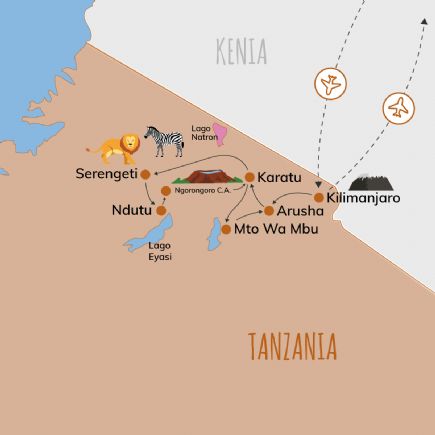
Travel in southern Tanzania
✔️ Departures 4 AUG | 6 Oct 2026
✔️ Price from 4350€
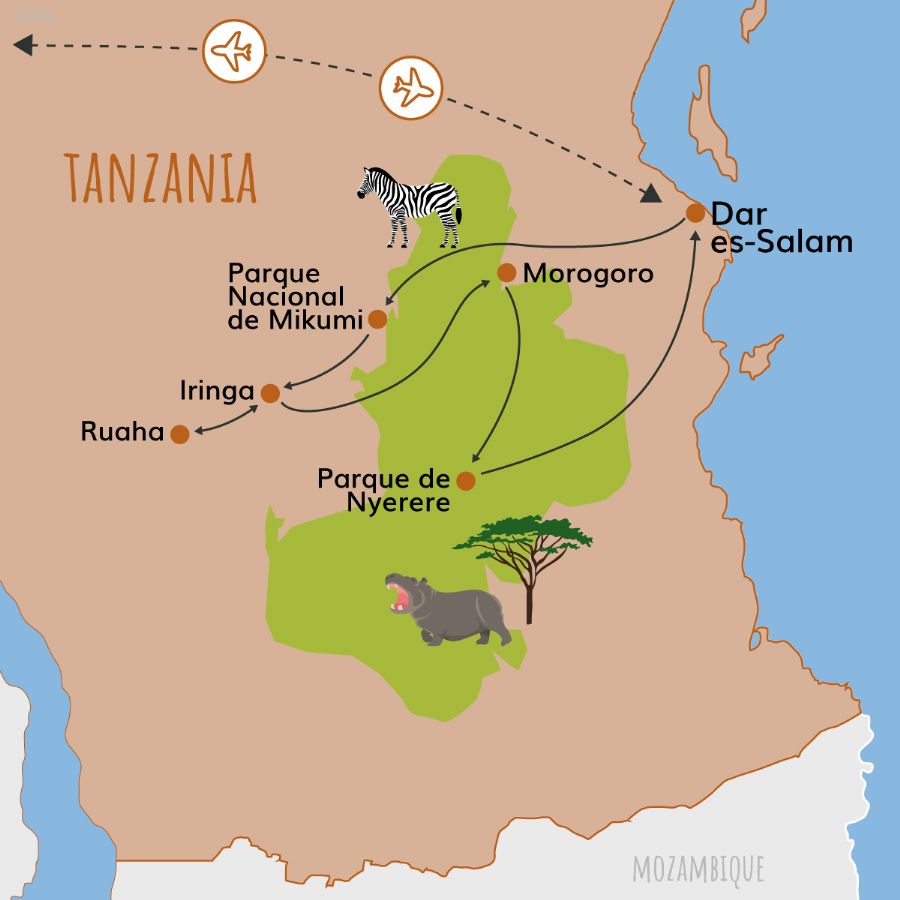
✔️ Departures until NOV 2026
✔️ Price from 2945€