

A journey through vast steppes, majestic mountains and ancient Silk Road routes. We explore vibrant cities, breathtaking landscapes and a culture rich in tradition and hospitality.
A trip combining cultural visits and natural settings with travel by plane, private vehicles and an overnight train. An immersion in the richness of Kazakh culture.
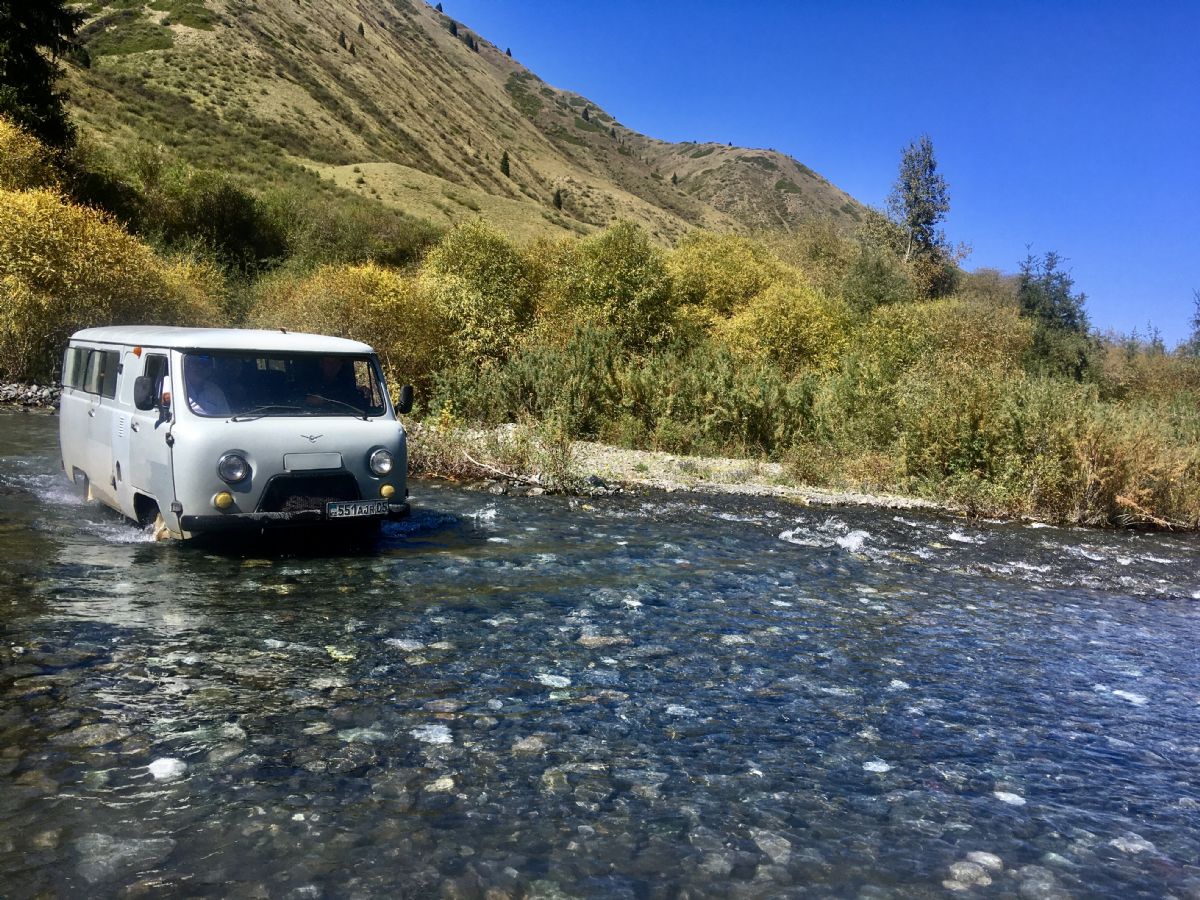
Travel to Kazakhstan
Traveling to Kazakhstan is a combination of majestic landscapes, ancient history and hospitality that is felt in every corner. In these trips we will explore the nomadic soul of a country that is pure essence of the Silk Road.
Easter, the best time to discover Kazakhstan
Visiting Kazakhstan at Easter means seeing the country awaken after a harsh winter. Spring brings longer days, new steppe colours and lakes shining beneath still-snowy mountains. It is ideal for walking and enjoying nature without extreme cold or summer heat. Outside peak season, the pace is calmer. Easter is a rewarding time to discover Kazakhstan, with the feeling of being in the right place at the right moment.
 Kazakhstan
✔️ Departure 28 MAR 2026
✔️ Price from 1900€


✔️ Departures 9 JUN | 7, 28 Jul | 11 Aug | 1 Sep 2026
✔️ Price from 2900€

Urban centres and historic heritage
Astana
Capital of the country, characterized by its modern urban development and architectural planning. You will visit the National Museum of Kazakhstan, which offers a historical and ethnographic perspective on nomadic culture, as well as emblematic structures such as the Nurzhol Boulevard and the Astana-Baiterek tower.

Turkestan
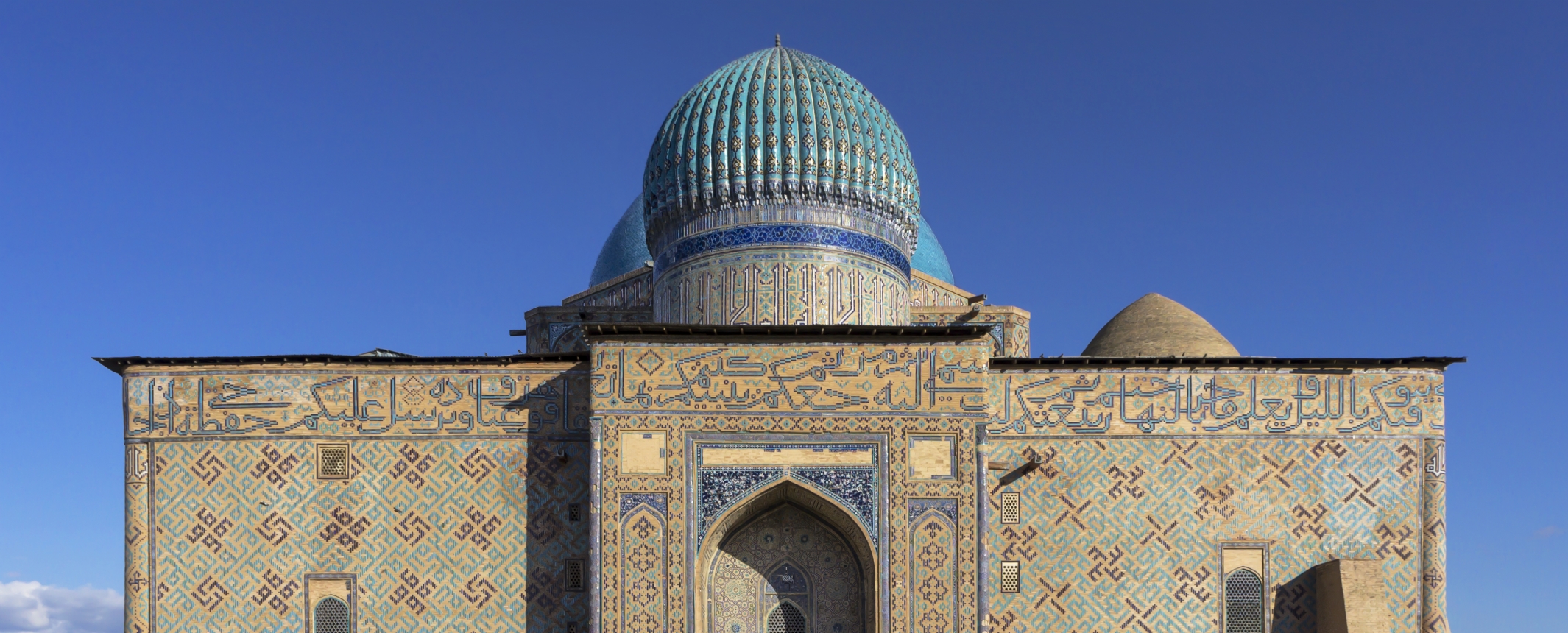
Key destination of the Silk Road with monuments such as the Mausoleum of Khoja Ahmed Yasawi, inscribed on the UNESCO list, and the Citadel of Otrar, former trading point.
Shymkent
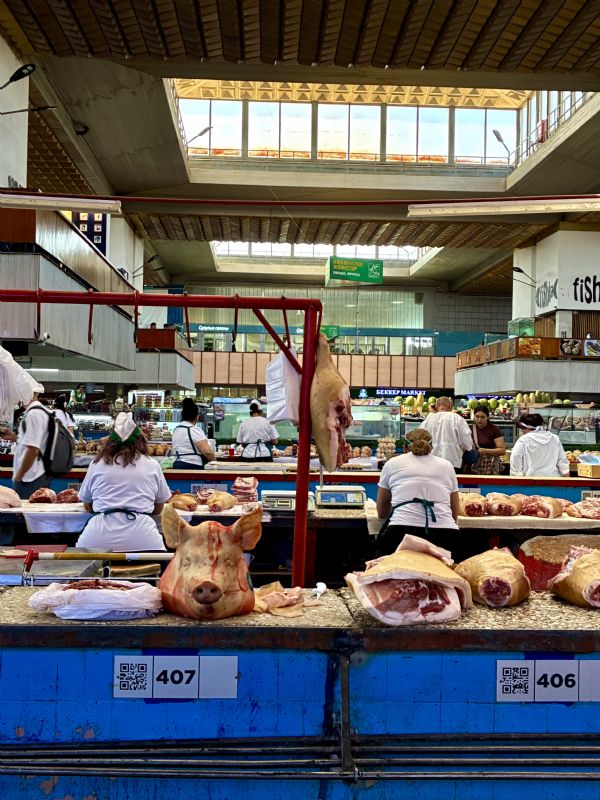
An important trading centre influenced by Persian, Arab and Mongolian civilisations. Visit its oriental bazaar and citadel while exploring its contemporary development.
Natural Environments and Geology
Altyn Emel National Park
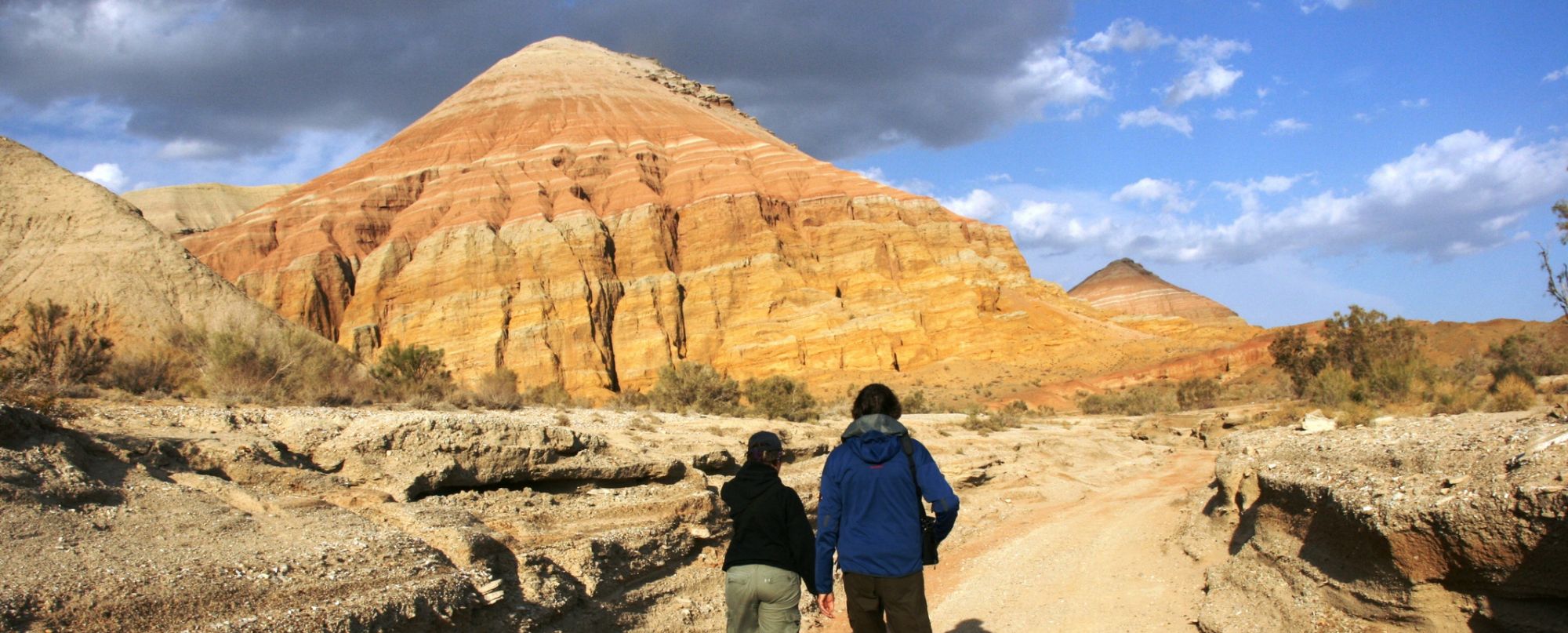
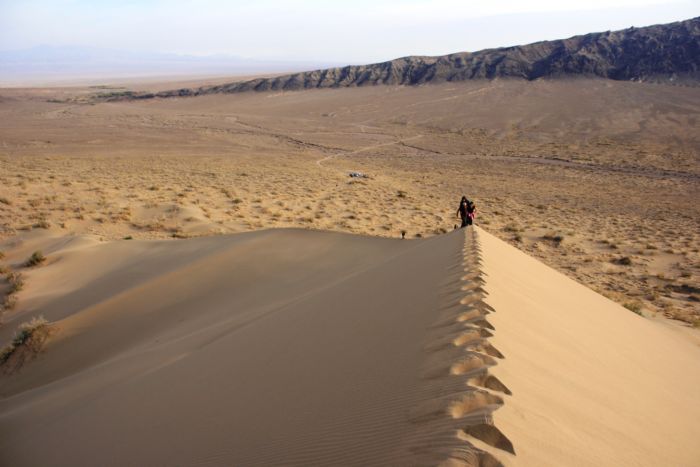
A protected area including the Singing Dune, a geological formation whose movement creates audible vibrations, and the Katutau and Aktau mountains, with their differently coloured sandstone layers.
Charyn Canyon
Geological formation similar to the U.S. Grand Canyon, with walls that reach between 150 and 300 meters high, product of river erosion.
Kolsai and Kaindy Lakes
Glacial lake systems with submerged forests in the Tien Shan mountains.
Local culture and nomadic life
Zharkent and its cultural identity
Zharkent, located in a region with a strong Uighur presence, retains a distinctive architecture that reflects its historical diversity. Its mosque, built with Buddhist influence, stands out as a unique example of cultural exchange in Central Asia.
Tamgaly and its rock art
This archaeological site houses thousands of petroglyphs, engraved in stone that narrate scenes of everyday life and spiritual rituals since the Bronze Age. Its study provides valuable information on the first civilizations in the region.
Nomad life and architecture in yurts
The yurts, portable structures used by Kazakh nomads, combine functionality and tradition. Sharing a meal inside allows you to understand the lifestyle adapted to the climatic conditions of steppes.
Interaction with local communities
Staying with Kazakh families in rural areas gives direct insight into their customs and daily lives. Their hospitality and traditions express a culture rooted in respect for nature and community.
Trains, another form of accommodation
Kazakhstan’s distances are vast — it is the world’s ninth-largest country — so trains are the most comfortable way to travel, with a well-developed railway network. Like many Kazakhs, we spend long hours crossing the country, sleeping overnight in 4-berth kupeiny compartments (2nd class). Sheets and a towel are provided, and hot water is always available.
Train travel through Kazakhstan is slow, but it reveals the country's vastness and offers encounters with its hospitable people.