
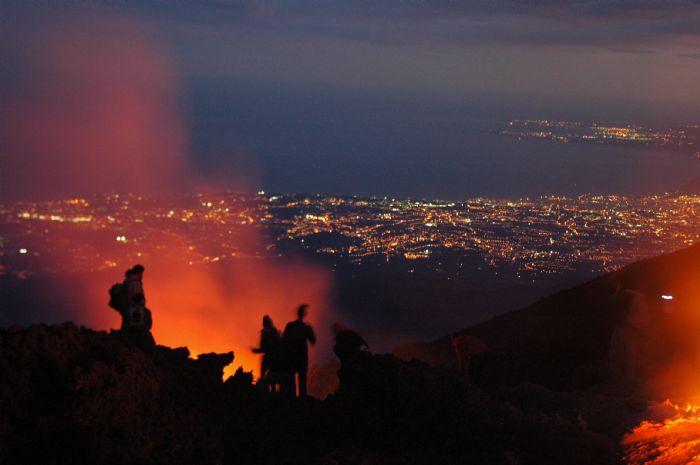
The Etna, the most active volcano of Italy and one of the most active on the planet, is a must-see for any lover of vulcanology.
On our journey Hiking in the volcanoes of Sicily and the Aeolian Islands combine the opportunity to climb Etna, the visit to Stombroli and a combination of Greek, Roman and Byzantine archaeological remains.
Travelling by train, minibus, boat, ferry and above all on foot, we spend 10 days exploring this part of the Mediterranean, an endless source of inspiration for the Greeks and Romans.
Mount Etna
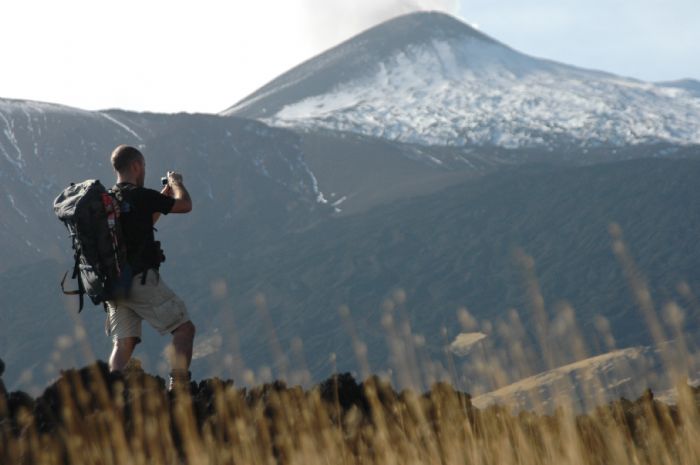
To ascend to the Etna must be hired locally. Weather and volcanic conditions are decisive, and a local volcano guide is compulsory. The trek to Etna does not require exceptional fitness. With an elevation gain of 1,346 metres and a round-trip distance of 15 kilometres, our greatest challenge may be the altitude: we reach more than 3,000 metres. The whole route usually takes 6 hours in normal weather conditions.
The Stromboli volcano
The island of Stromboli has a maximum elevation of 2,000 metres, but the volcano stands just over 900 metres above sea level. No special fitness training is needed, and altitude sickness is not a concern.

“Sciara del fuoco” as an introduction to the island’s volcanic activity. A 4-hour walk at dusk reveals a great horseshoe-shaped depression on the volcano’s northwest side. Lava and fiery blocks descend to the sea when the volcano awakens, terrifying nearby residents.
The tsunami threat is real in this part of the Mediterranean. Densely populated Sicily and the Calabrian coast were already affected by Stromboli’s last eruption in 2002.
Ascent of Stromboli
Climbing Stromboli is strictly regulated, requiring a volcano guide and groups of no more than 20. Volcanic conditions may prevent an ascent or limit it to the permitted point at the time.
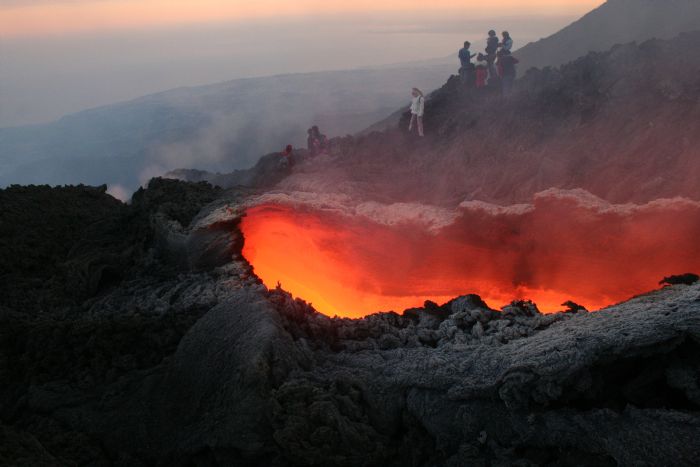
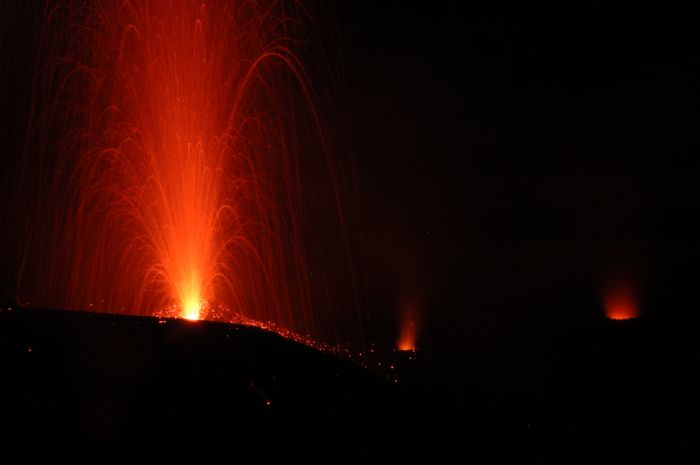
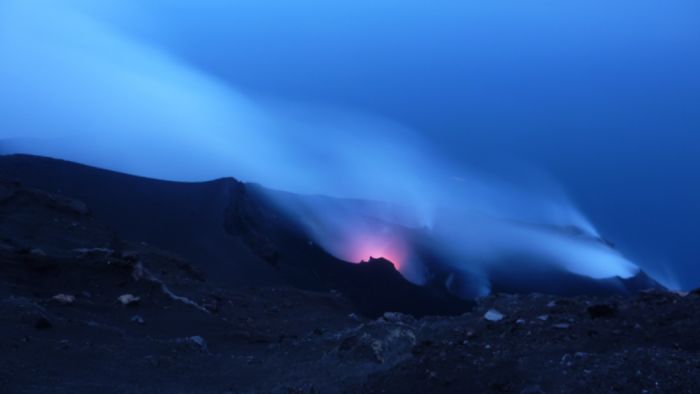
The ascent to Stromboli takes place at sunset to watch the volcano’s constant explosive activity after dark, a spectacular sight. The route climbs just over 900 metres and takes 5 hours there and back.
Archaeological Route
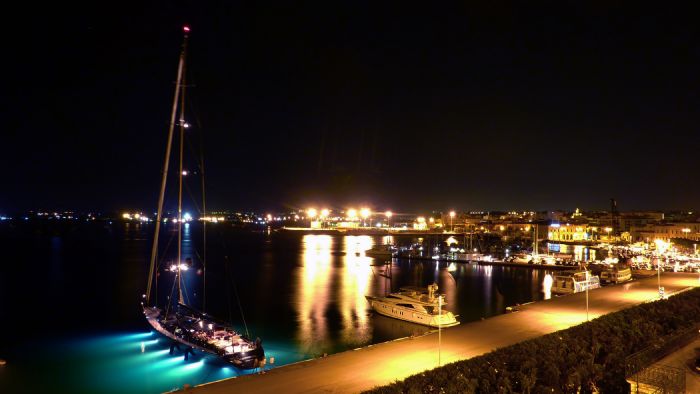
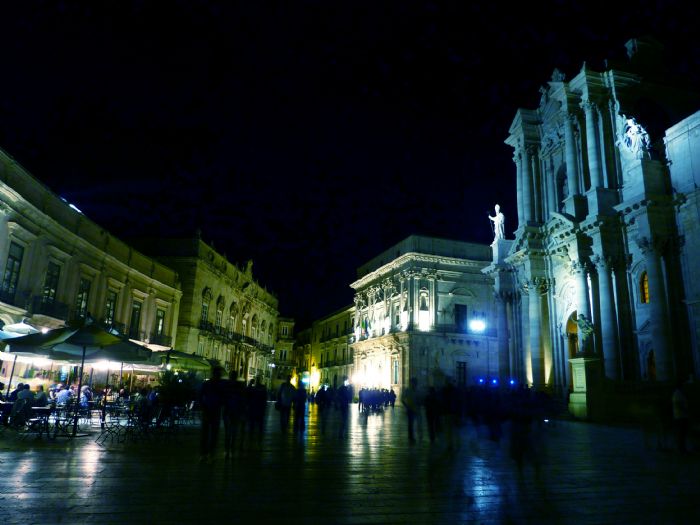
Syracuse, capital of Magna Graecia and birthplace of Archimedes, Taormina, a magnificent medieval city overlooking the sea, and Lipari, with an essential visit to the volcano Vulcano, complete this 10-day trip to Italy.
Check upcoming departures for the route Hiking on Etna and Stromboli