

Sahara is known for its extreme contrasts, and choosing when to go can make a difference.
The Sahara has its charm at any time of year, but some seasons are more welcoming for travellers. Spring and autumn are usually the best times to explore the world’s largest desert. Temperatures are milder in these months, allowing you to enjoy the landscape without the scorching summer heat or the intense cold of winter nights.
The desert, that empty space on the map.

With the arrival of autumn the desert opens its doors to the visitor, and we have the opportunity to access what, for us, is one of the most beautiful natural spaces on the planet.
Extraordinary things happen in the desert.
Best time to travel to the desert
In general, the best time to travel to the Sahara desert is during the autumn and spring months, when temperatures are more moderate and comfortable for most travelers. However, the final choice will depend on your personal preferences and what you are looking for in your desert experience.

Autumn (September to October)
Similar to spring, autumn can offer more moderate and pleasant temperatures to explore the desert. However, we are approaching the Christmas dates, the temperatures are starting to fall again. The autumn season presents a pleasant and temperate climate, with daytime temperatures ranging between 20 and 30 degrees Celsius. A very stable climate that will allow day trips and camping under a starry sky at night. These pleasant temperatures minimize the possibility of unexpected rains or sandstorms that could hinder the journey to the detriment of the experience.
Winter (November to February)
For those who prefer to avoid extreme desert heat, winter can be the best time to visit the Sahara. Daytime temperatures are more moderate and nights can be cool. Daytime highs are more likely to fall between 20°C and 25°C, making exploration more comfortable. The drawback is shorter days, with fewer daylight hours to reach destinations and carry out planned activities. This also affects the pace of travel, allowing less time for stops and activities along the way.

Spring (March-May)
Many consider spring the best time to visit the Sahara, as temperatures gradually rise without reaching summer extremes. It is usually the only season with rainfall, which can bring desert flowers into bloom and add a unique dimension to the experience. Daylight hours also increase as summer approaches, giving us more time for activities and stops on 4×4 journeys.
Summer (June-August)
Summer in the Sahara can be extremely hot, with temperatures easily exceeding 40°C and even reaching over 50°C in some areas. Viajes Tuareg does not organise trips at this time of year because of the extreme conditions. If you visit in summer, you must be prepared for intense heat, with enough water and sun protection. Activity is kept to a minimum during the hottest hours, and, as in polar regions, local people shelter indoors from extreme temperatures.

Things to consider
- Sunlight
A 4×4 desert trip is a journey across the desert. With several hours of driving each day, daylight is a crucial factor in setting the pace. Winter days are considerably shorter, which adds another consideration when planning the trip. - Nights around the campfire
During the icy winter nights, the bonfire becomes the indispensable meeting point for all participants of the trip, whether Tuaregs or visitors. It is a magical moment where we can immerse ourselves in the stories and culture of the Tuareg, which until recently was transmitted only orally. It is a unique opportunity to learn and appreciate the ancestral traditions of this nomadic desert people. - Rock paintings
The Sahara offers a wealth of rock paintings for lovers of prehistory and art. Dating back thousands of years, they adorn desert rocks and offer a glimpse into the region’s history.
Figures and symbols tell stories of hunting, rituals and man's connection to his natural environment.

It's not all sand
When we travel to the desert, we imagine endless dunes, but not all are large stretches of sand in the Sahara. To the north stands the Hoggar massif, where stands Mount Tahat that with its 3003 meters high is one of the highest peaks in the region. From Hoggar to the north rises the granite massif of Tefedest, a combination of peaks of almost 2000 meters with sandy "oueds". We will travel the entire contour of the massif to its north end at the Djebel Garet el Djenoun. The western slope (White Tefedest) and the east (Black Tefedest), await us.

Whatever the time of year, these routes require careful preparation. Sufficient water, food, communication equipment and flexibility with the itinerary are vital for exploring safely and learning about the region’s culture and history.

Upcoming desert trips
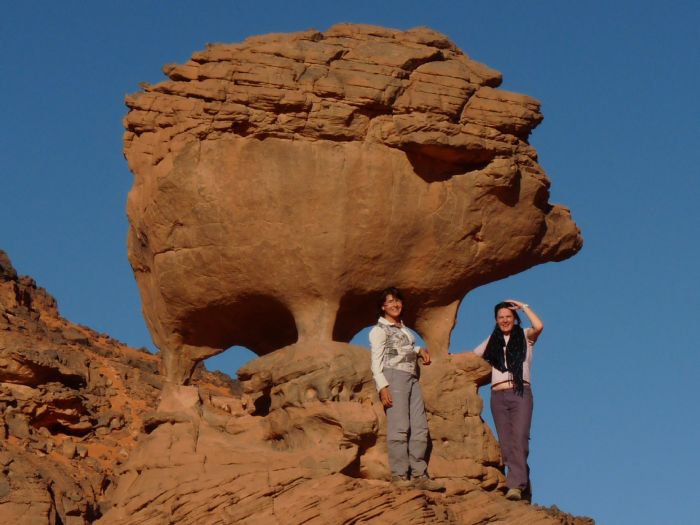
 Algeria
✔️ Departures 2 OCT | 4, 26 Dec 2026 | 29 Jan | 9 Apr 2027
✔️ Price from 1690€

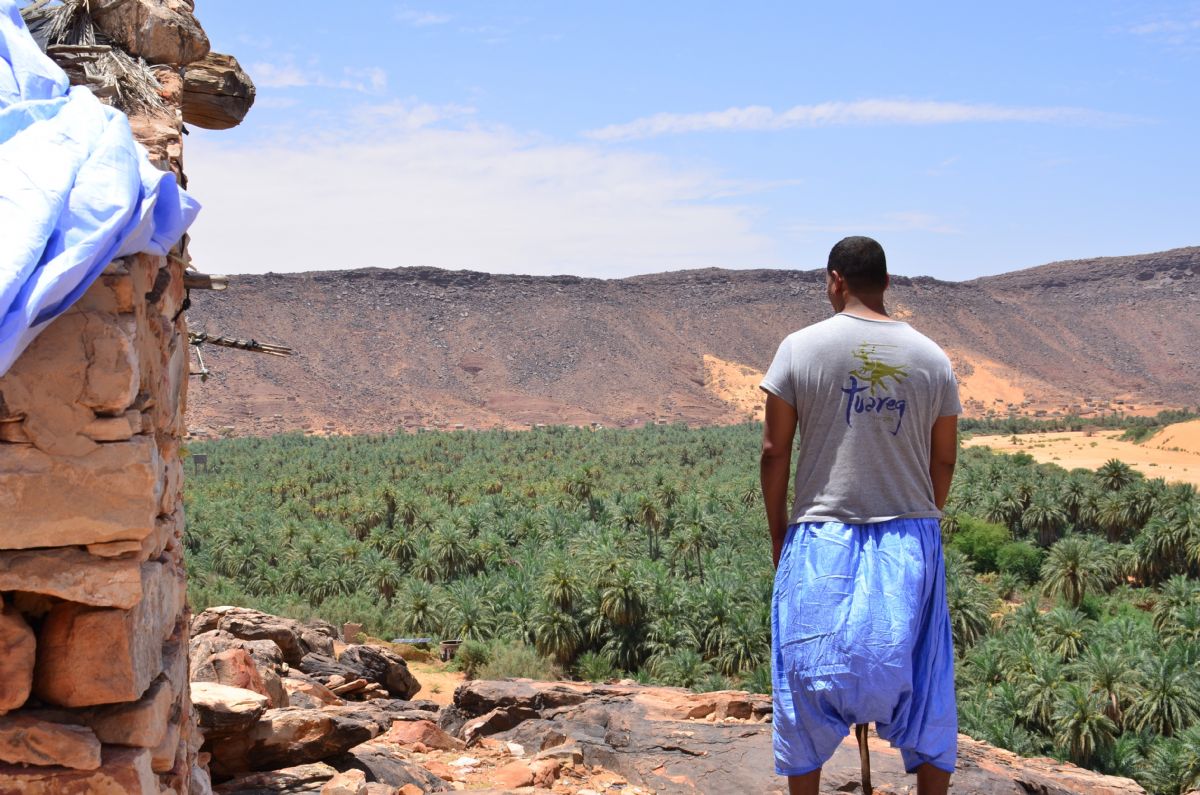
✔️ Departures 2, 30 OCT | 14 Nov | 4, 27 Dec 2026
✔️ Price from 2030€

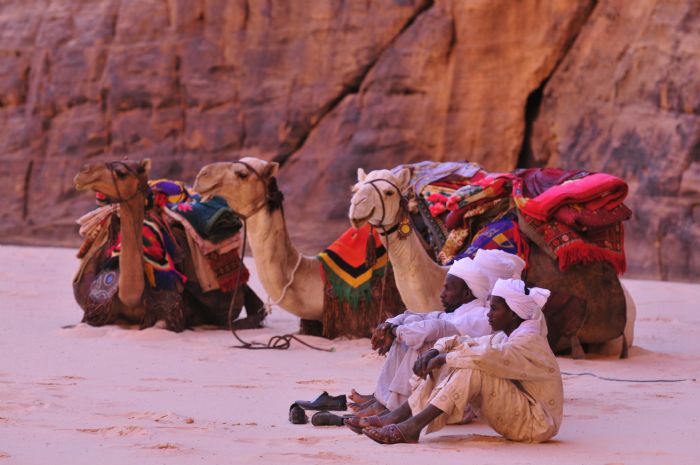
✔️ Departures 22 FEB 2026
✔️ Price from 5075€
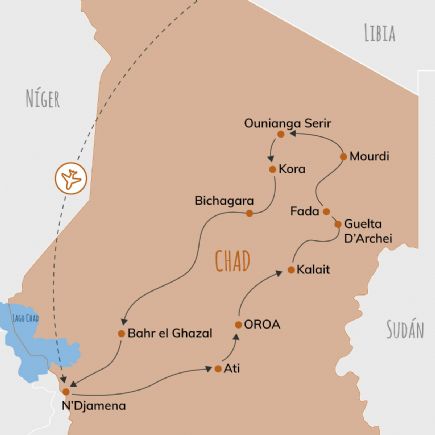
✔️ Departures 9 OCT | 28 Nov 2026 | 15 Jan | 12 Feb | 26 Mar | 23 Apr 2027
✔️ Price from 2395€

Travel to the desert with Tuareg’s experience
If you love the desert, remote landscapes, other cultures and travelling away from the usual routes, you will find information here for your next Sahara trip. Follow these links to learn more, gather ideas and discover the best time to travel.