The Route of Thirsta was a network of trade routes that emerged in the 1st century BC in response to strong demand for Chinese silk. Starting in Chang’an (now Xi’an), China, its many routes stretched across Asia, eventually connecting with Europe and East Africa.
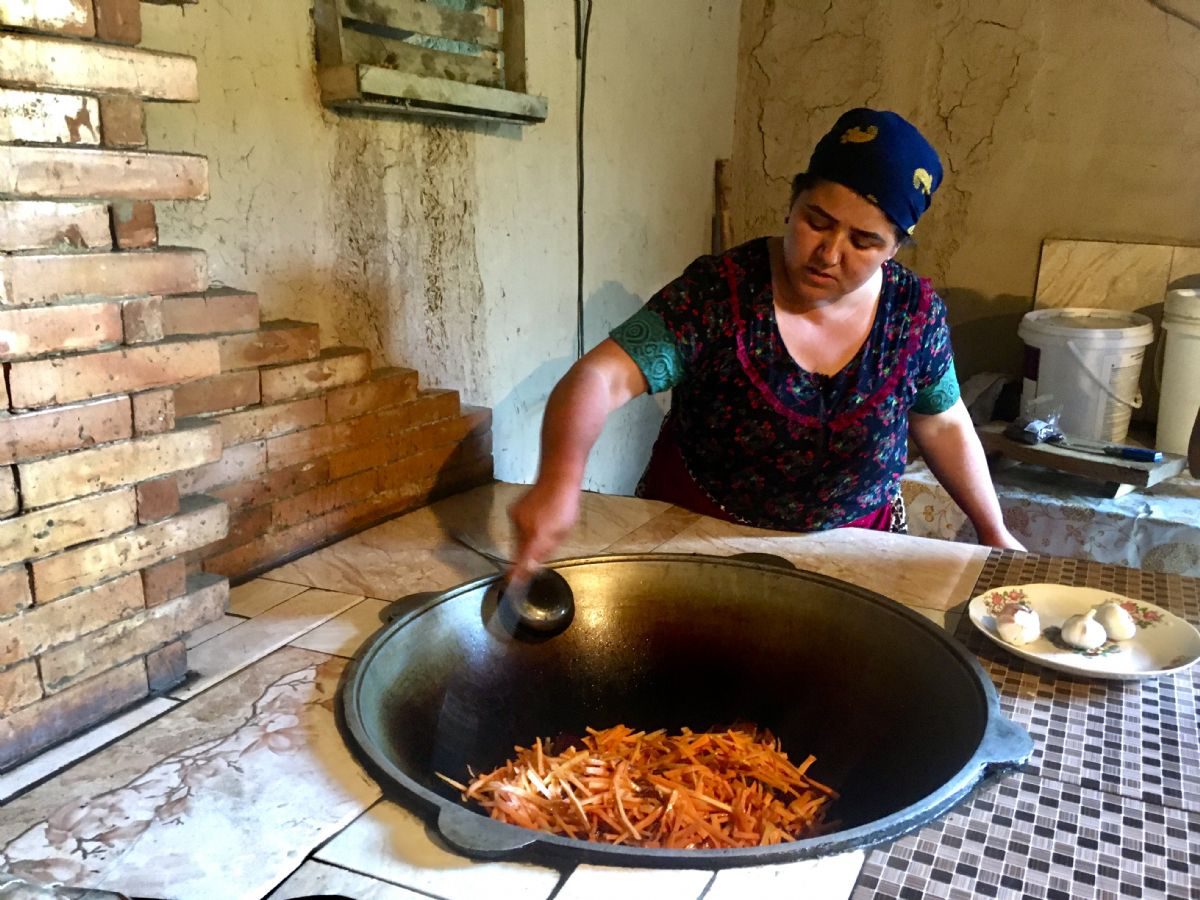
Our journeys along the Silk Road
7 fascinating facts about the Silk Road
Goods, ideas and knowledge were exchanged along this route and, inevitably, many myths and legends about its own Silk Road. Some of them were the work of Marco Polo, one of the first Europeans to travel the famous route. His account, “Il Milione”, led to accusations that he was a fantasist and exaggerator.
Although we cannot now know whether many of these stories are true, some facts are verified and very intriguing. Here are a few.
1 – Much more than silk
Although silk sparked strong trading relationships and the establishment of The Silk Road, this route carried all kinds of goods. China exported silk, ceramics, porcelain, iron, bronze, lacquer and jade. In return, it imported precious stones, gold, silver, ivory, glass, perfumes and dyes.

2 – A secret kept for 3000 years
Silk production began in the 27th century BC, and its methods remained secret for more than 3 millennia, until around 300 BC. Korean weavers who had worked in China revealed the secret on returning home.

3 – Smuggled silkworms
In the 6th century, two monks smuggled silkworms into Constantinople, making silk production possible in Europe. Production on our continent continued to grow until the Second World War. Today, China is once again the world’s leading producer.

4 – A material forbidden in Rome
Roman law prohibited men from wearing silk, considering it too feminine. Later, the Roman Senate unsuccessfully tried to ban it altogether as “decadent and immoral”. Behind the moral arguments lay a different concern: silk purchases drained enormous quantities of gold from the empire.

5 – Marco Polo was not the first
Marco Polo was one of the first Europeans to tour the Silk Road, but he was not the first. At the very least, his father Nicoló Polo and uncle Mateo Polo had gone before him. Marco Polo’s success therefore lies in his written account of the journey rather than its discovery.

6 – A route full of dangers
Many were the merchants who, following The Silk Road, never reached their destination. Throughout its history, the route was full of dangers. Thieves and raiders threatened valuable goods, while difficult gorges caused pack animals to fall, losing cargo and sometimes provisions. With 80% of the route passing among glaciers, running out of supplies was serious.

7 – The Expansion of Buddhism
Buddhism managed to spread throughout Asia, in part, thanks to Silk Road. It was Buddhist missionaries from India who were extending the Buddha's teachings where the route took them, until finally penetrating China. Advanced knowledge in fields such as medicine, astronomy, and the philosophy of Buddhist Universities was also an appeal that favored the expansion of this religion.

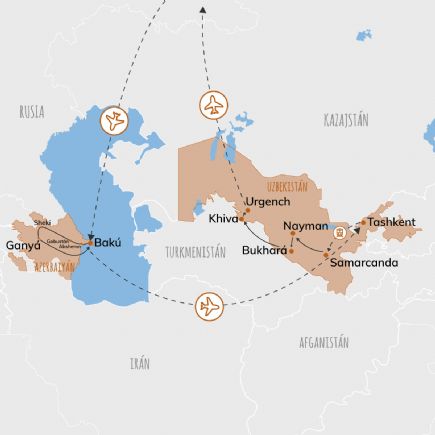
In 2014, UNESCO listed the section Chang’an – Tian-shan, a World Heritage Site. This 5000 km route ends in Uzbekistan and Kyrgyzstan. At Viatges Tuareg, we offer a route visiting some of this section of the Silk Road’s main stops: Khiva, Bukhara and Samarkand, and the Tien Shan Mountains.
Upcoming Silk Road trips
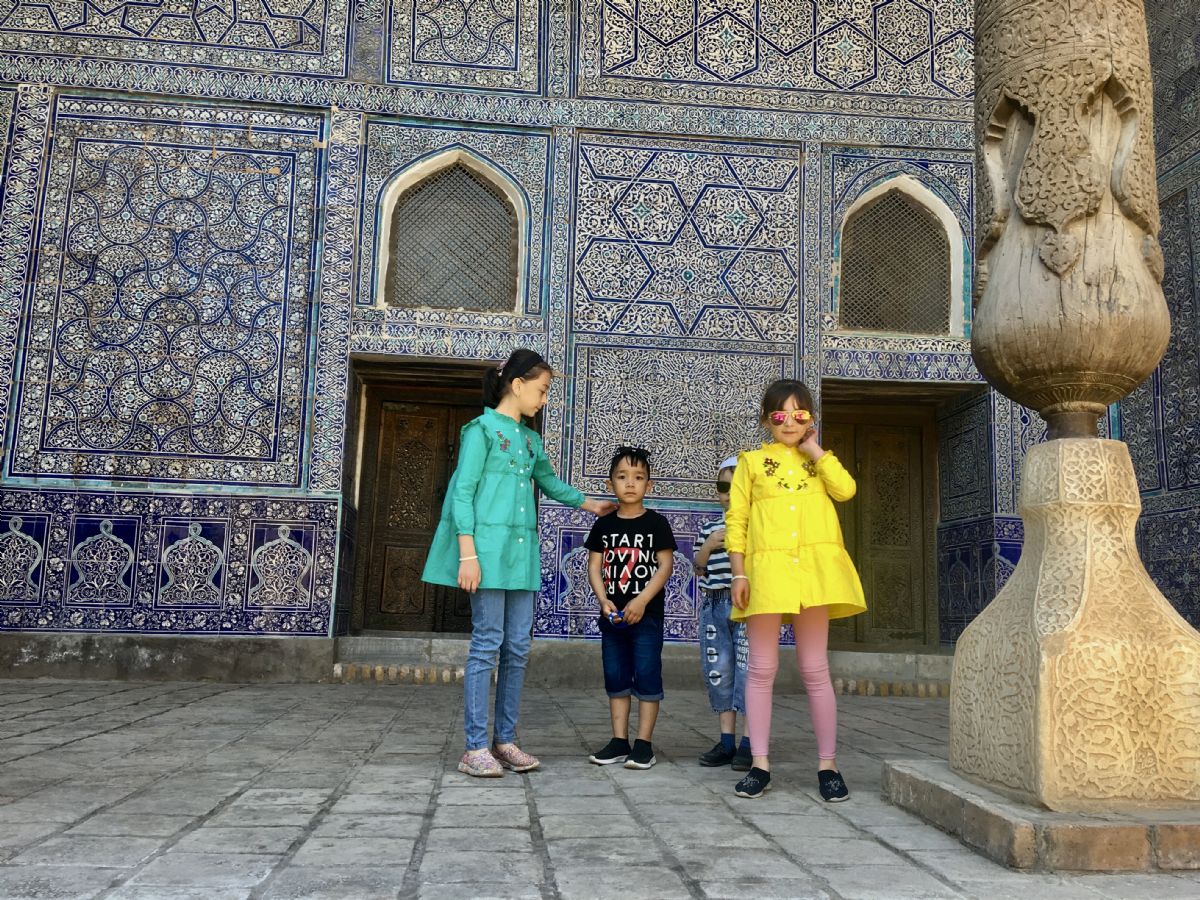
 Uzbekistan
✔️ Departures 15 MAY | 5, 26 Jun 2026
✔️ Price from 2200€
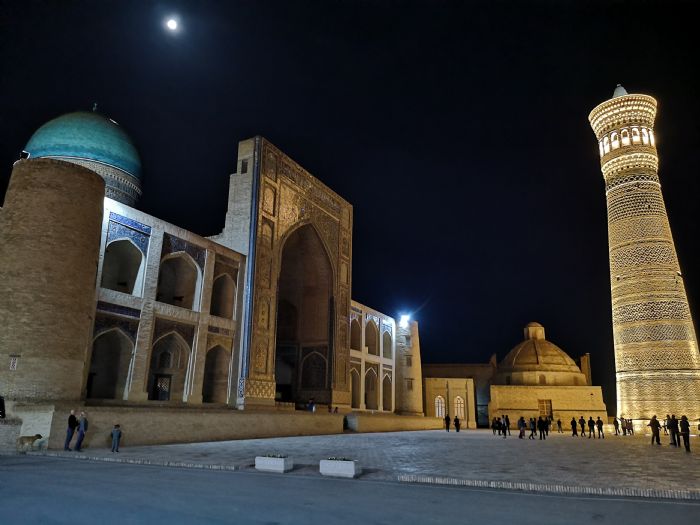
✔️ Departures 12, 26 JUL 16, 30 AUG 2026
✔️ Price from 3400€

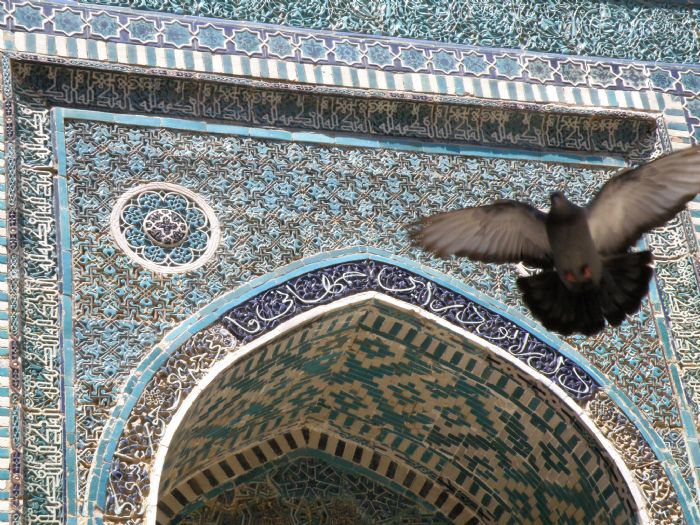
✔️ Departures 20 JUL | 3, 17 Aug 2026
✔️ Price from 2200€

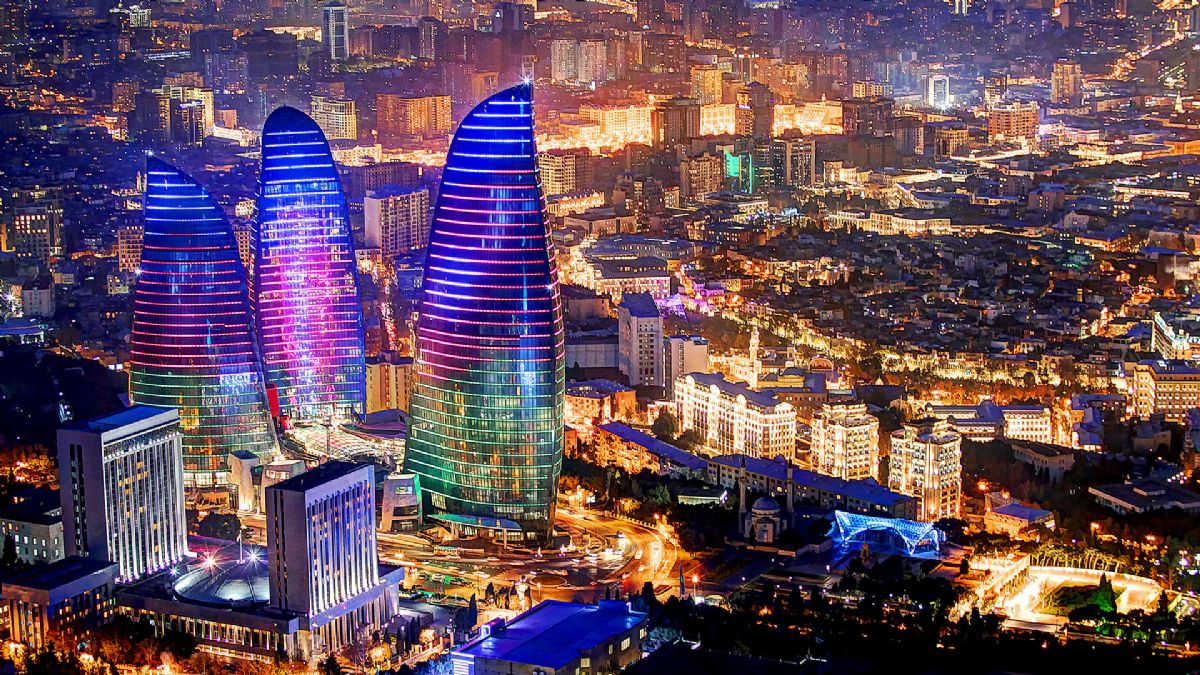
✔️ Departures 27 JUL | 10 Aug 2026
✔️ Price from 1300€
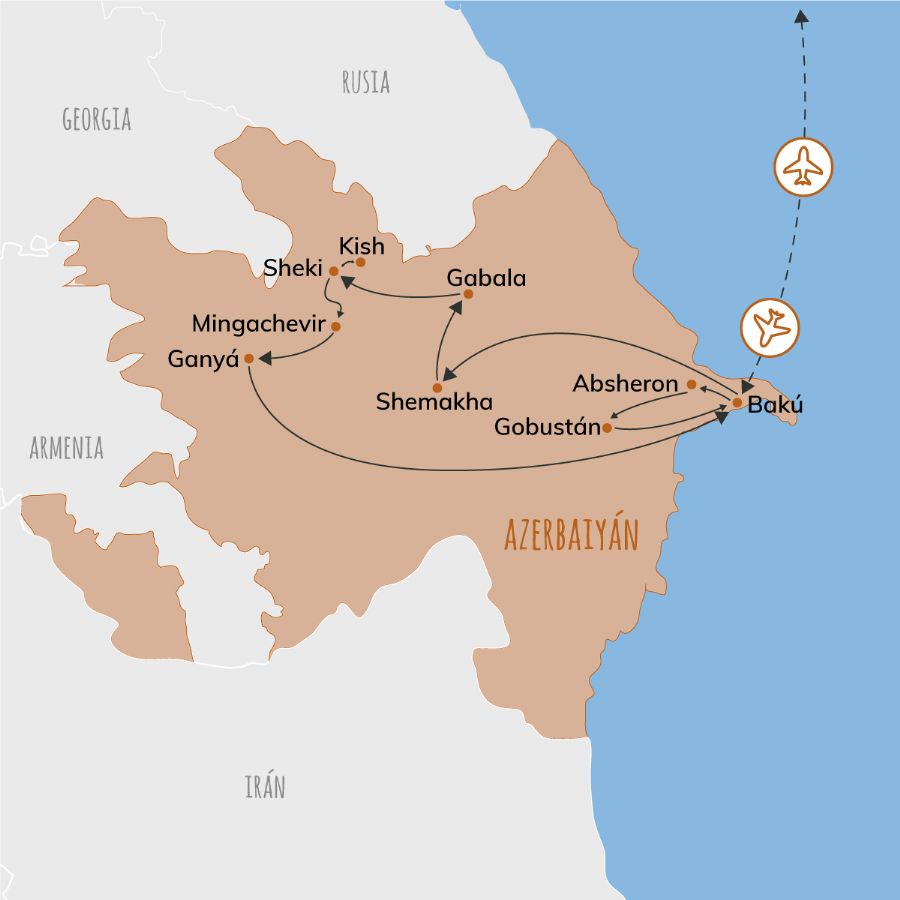
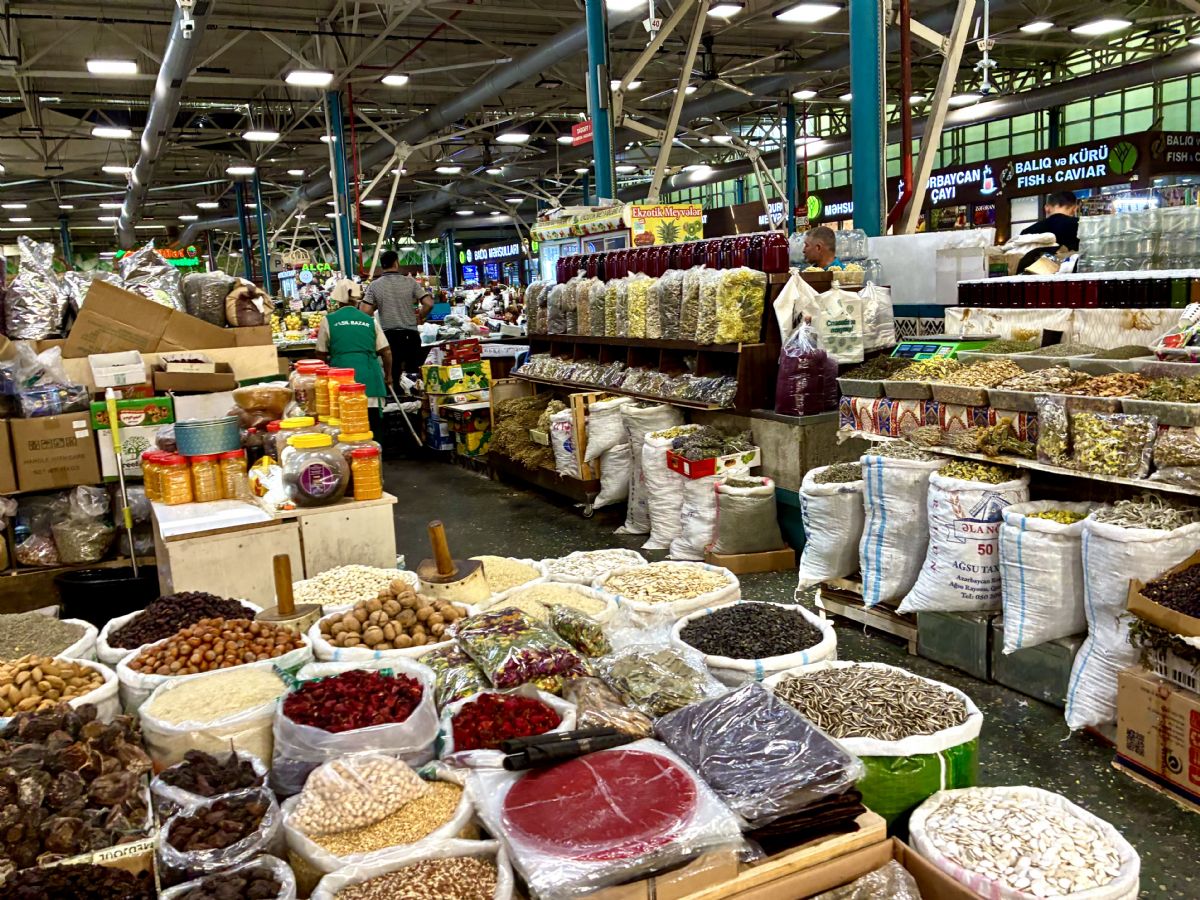
✔️ Departures 11, 28 JUN | 12 Jul | 30 Aug | 4, 15 Oct 2026
✔️ Price from 1500€