
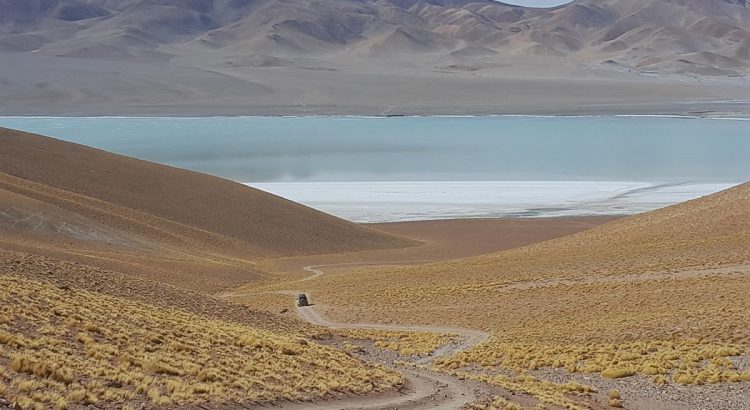
The downside of having so many kilometres under your belt is losing your sense of wonder. Our recent trip through the Argentine Puna had exactly the opposite effect.
There we discover an exceptional landscape: vast, immense and almost empty, at more than 4,000 metres above sea level.
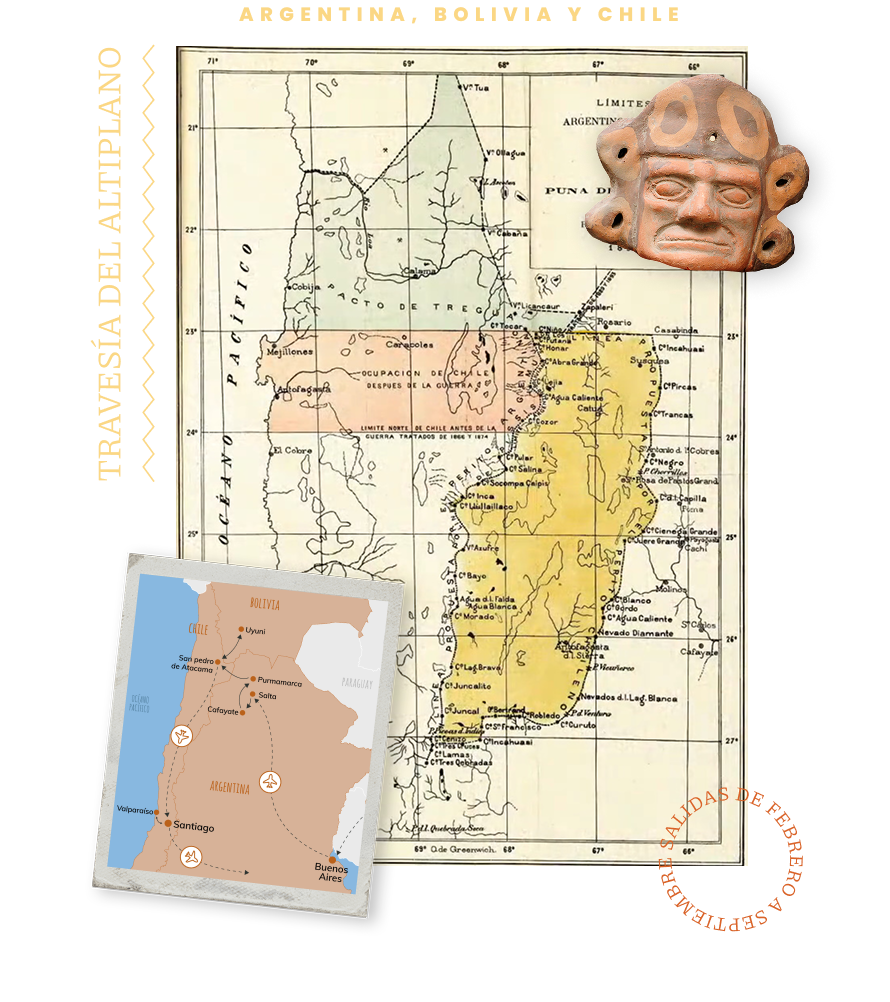
Following this experience, we redesigned “Altiplano Journey: Argentine Puna, Salar de Uyuni and Atacama Desert”, adding Tolar Grande and its surroundings. The result is a more complete, coherent itinerary with a stronger geographical and exploratory focus. We offer this 18-day journey through Argentina, Bolivia and Chile on two confirmed departures: 15 February and 21 June 2026, ideal dates for discovering the vast Andean salt flats and their unique landscapes.
Contrasts between Argentina, Bolivia and Chile
This route crosses the heart of the Andean highlands, an immense territory shared by Argentina, Bolivia and Chile, where altitude shapes landscape, climate and life.
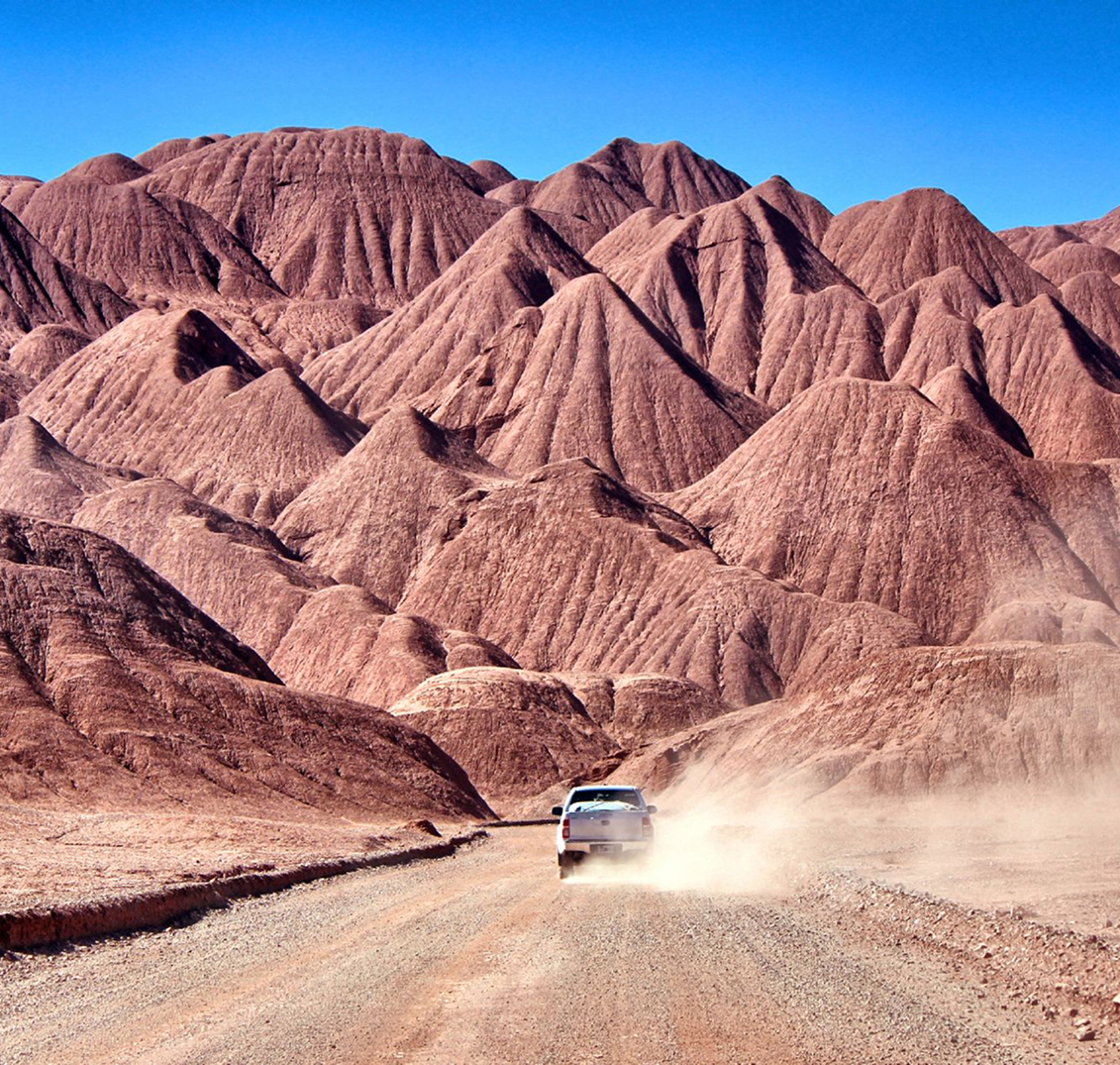
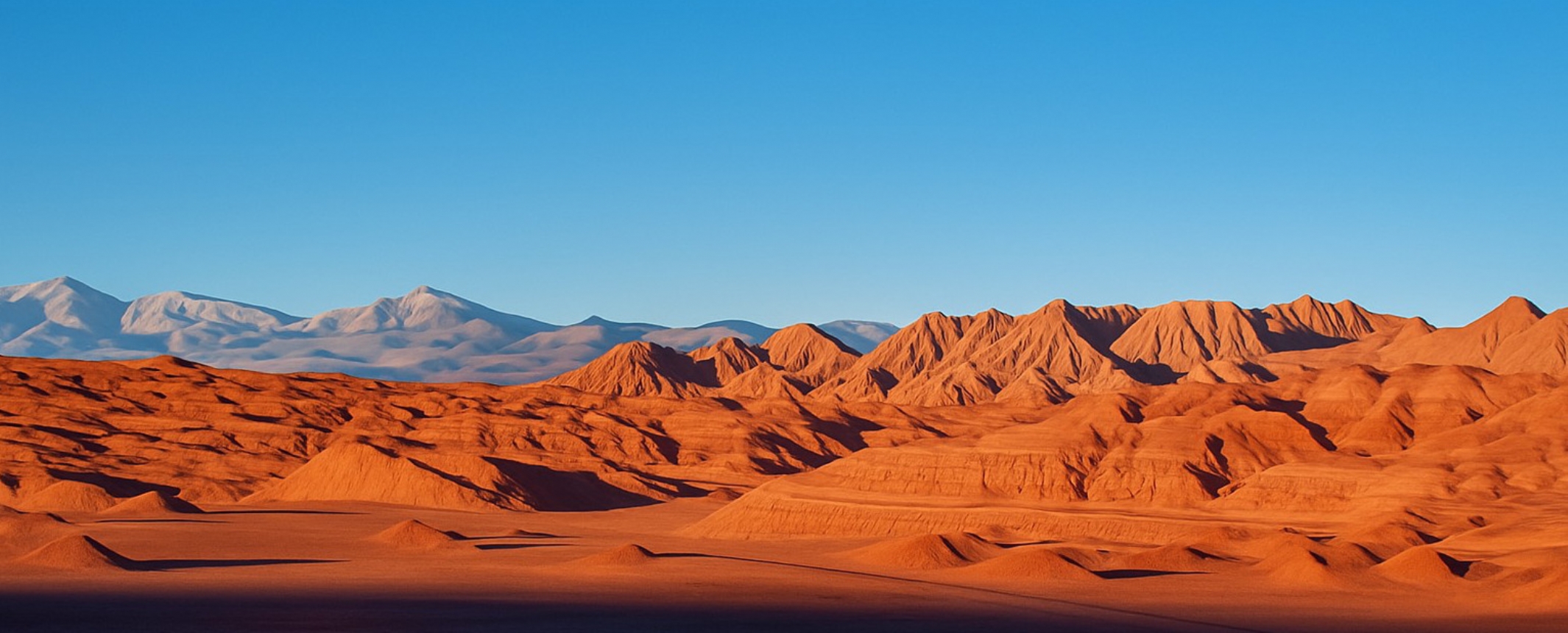
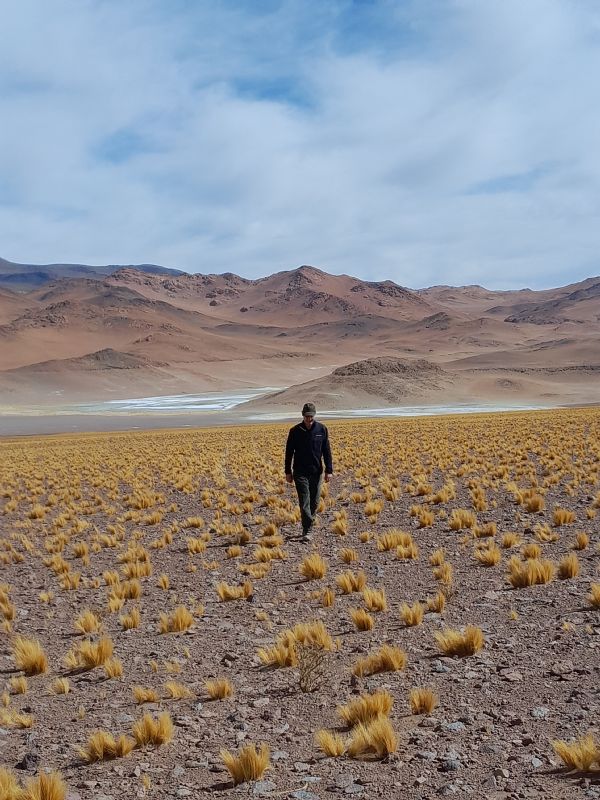
Argentina’s Puna is vast and remote. Vast plateaus, volcanic cones, salt flats and reddish deserts shape the landscape. Emptiness and solitude are part of the appeal: tiny villages such as Tolar Grande and Antofalla appear as human oases in an almost lunar expanse. This is the Altiplano’s harshest, least-populated and least-known area.
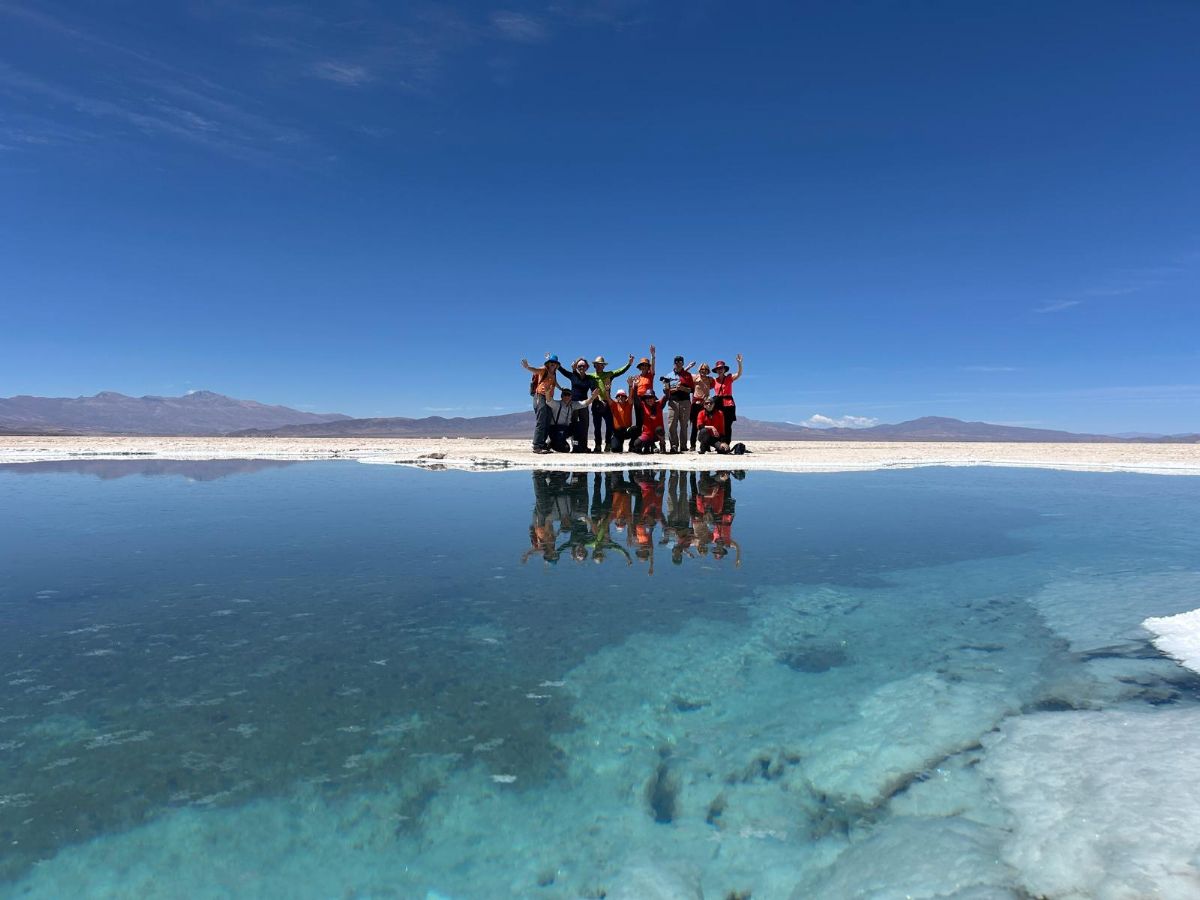
Crossing to Bolivia the landscape changes without losing height. The Salar de Uyuni and Eduardo Avaroa Reserve offer a spectacle of colour and endless horizons. Colourful lagoons, geysers and active volcanoes form one of South America’s most distinctive ecosystems. This is the demographic and cultural heart of the Andean Altiplano, with large communities such as Uyuni and Colchani retaining strong, mainly Quechua and Aymara identities and living traditions despite substantial visitor numbers.
Finally, the journey descends to Chile. In the Atacama Desert, life finds refuge in oases such as Toconao and San Pedro, surrounded by salt flats, eroded valleys and high-altitude lagoons. Mineral reds and greens colour the mountains, and El Tatio’s geysers reveal the energy beneath the Andes. The population is smaller than Bolivia’s, Indigenous culture is officially recognised, and communities manage tourism and agriculture.
The same geographical scenario, but with three different faces: the Argentine Puna, the Bolivian highlands and the Atacama desert.
Industrial mining in the Altiplano
The growth of industrial mining, especially lithium and copper, has strongly affected highland communities and their environment. Mines create jobs and improve access to roads and services, but also cause tensions over resources and the sharing of benefits.
For example, we can cite Salar de Uyuni, one of the largest global lithium reserves that is both an opportunity for national development and a source of conflict with Quechua and Aimara communities that demand a more equitable share of benefits and resource management. Also in the Atacama Desert, mining has transformed the landscape and reduced the availability of water in areas such as San Pedro, affecting the ecosystems and traditional activities of the Atacameño peoples.
In general, highland mining combines promises of economic progress with environmental and cultural challenges, in a region where water and ecological balance are as valuable as minerals being extracted.
Crossing the Andean Altiplano: the journey
 Argentina, Chile and Bolivia
✔️ Departures 21 JUN | 6 Sep 2026
✔️ Price from 4600€
