Skip to Content

Tag: hiking

The 7 best photos of the mountains of Georgia on Instagram

The Great Caucasus is the highest mountain range in Europe. Extending 1200 km from the Black Sea to the Caspian Sea, it forms a natural border between Europe and Asia.

At its foot, on the Georgian side, we find one of the routes for trekking most spectacular in the Caucasus; route of medieval villages. This journey begins in Mestia and follows the mountain range, ending in Ushguli, forming one of the trips to Georgia most adventurous there are. 

Read more

Wild Norway in the domain of the osprey

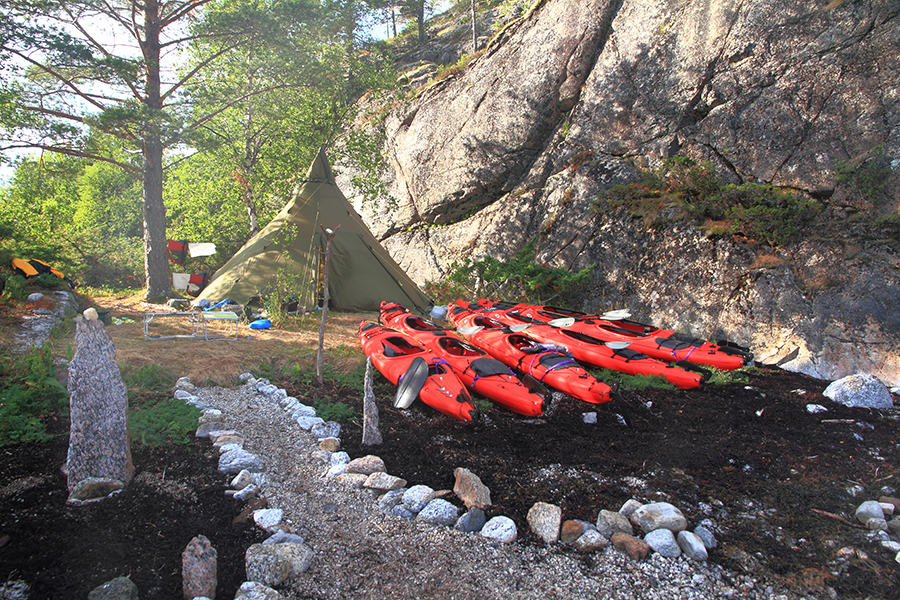
It is likely that many trips to Norway that you have heard of are in the Norwegian fjords near Bergen or Stavanger. These are the most popular fjords, which fill with tourists every year. After all, the Norwegian fjords in summer are a major attraction for visitors flying to this Nordic country, or spending their holidays in the fjords aboard one of the many cruise ships that sail along the coast in summer. The famous Preikestolen, or Pulpit Rock, is a particularly popular sight on the Lysefjord, near Stavanger.


Read more

Volcanology in Sicily: Mount Etna and Stromboli

The Etna, the most active volcano of Italy and one of the most active on the planet, is a must-see for any lover of vulcanology.

On our journey Hiking in the volcanoes of Sicily and the Aeolian Islands combine the opportunity to climb Etna, the visit to Stombroli and a combination of Greek, Roman and Byzantine archaeological remains.

Travelling by train, minibus, boat, ferry and above all on foot, we spend 10 days exploring this part of the Mediterranean, an endless source of inspiration for the Greeks and Romans.

Mount Etna

To ascend to the Etna must be hired locally. Weather and volcanic conditions are decisive, and a local volcano guide is compulsory. The trek to Etna does not require exceptional fitness. With an elevation gain of 1,346 metres and a round-trip distance of 15 kilometres, our greatest challenge may be the altitude: we reach more than 3,000 metres. The whole route usually takes 6 hours in normal weather conditions.

Read more

An interview with Pere Mongay before the Marathon des Sables challenge

A rookie in the Marathon des Sables

“The important thing is to finish as sane as possible to, at each stage,
have enough oxygen reaching my brain to send back a few
sensations and experiences”.

Pere Mongay combines his professional work as a trip planner at Viajes Tuareg with his enthusiasm for outdoor activities. He feels a need to explore the mountains, on foot in summer or on skis in winter. He has competed in disciplines as diverse as orienteering raids, ski touring and mountain running. He is now preparing to take part for the first time in one of the world’s toughest long-distance races, the Marathon des Sables. As he talks, his passion for his work and outdoor sports shines through.

Read more

How hard it is to train!

What a pleasure it is to run, to put on a pair of trainers and head outside to clear your head after a long day at work. How healthy it is to let go of worries by running and exercising.

As you jog, you leave behind negative thoughts and accumulated tension; it’s a reset mental needs. I enjoy running: it gives me balance and lets me face everyday life with good humour and enthusiasm.

Training, on the contrary, is another concept.

An activity you enjoy whenever your body and mind call for it becomes a routine requiring perseverance and discipline. Running for hours on end and getting kilometres into your legs is the minimum preparation for taking part in Marathon des Sables. With family and work commitments to consider, everyone has to juggle their time to find hours to train.

During the week, I manage to get out three evenings. I save Saturday or Sunday for three- or four-hour runs with my backpack on my back, my MP3 player, energy bars, plenty of water and... off I go!

It is hard to run in winter: you have to dress up in two tops, thermal tights, a hat and gloves, yet you still end up either freezing or wearing far too much. The classic image we all have of the jogging is the one where, on a hot afternoon, you pass along a seafront promenade among skaters and ice cream sellers with your walkman. The reality of training is different: lonelier, colder and harder. Normally it is at night, in the dim light of the street lamps, with fog or a little rain for company, and little noise apart from my inseparable comEvery step of the way...


Read more
⌃